When the sun sets over the Bosphorus, Istanbul doesn’t sleep-it transforms. One moment you’re sipping tea in a quiet courtyard, the next you’re dancing to a blend of Turkish pop and deep house in a rooftop club with skyline views that stretch from Europe to Asia. This city doesn’t just have nightlife; it breathes it, mixing centuries of tradition with the pulse of modern global culture. You won’t find just one kind of night here. You’ll find dozens-each with its own rhythm, its own crowd, its own story.
Where East Meets the Beat
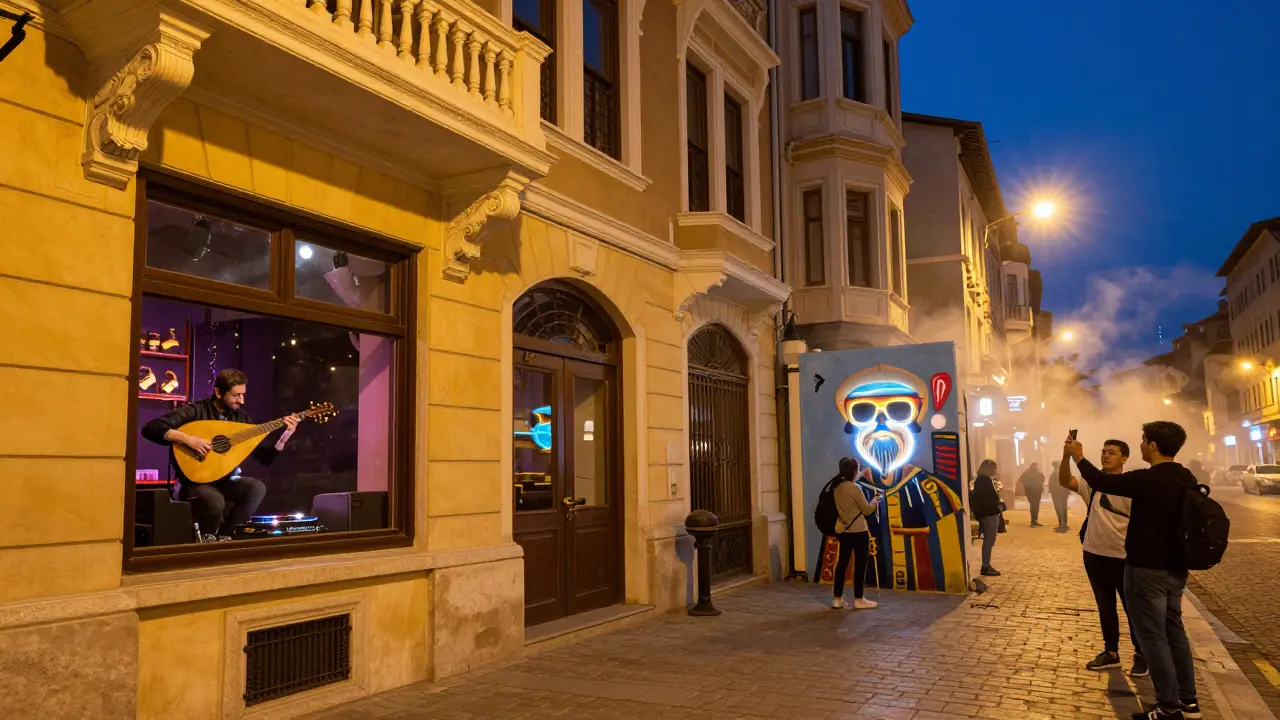
Start in Beyoğlu, the heart of Istanbul’s nightlife. Walk down İstiklal Avenue after 10 p.m., and you’ll feel the city’s dual identity in your bones. Ottoman-era buildings house underground jazz clubs where oud players jam with electronic producers. A few doors down, a traditional Turkish meyhane serves rakı with meze, while outside, a group of students in hoodies snap selfies next to a street artist painting a portrait of a 16th-century sultan with neon sunglasses.This isn’t staged for tourists. It’s real. Locals here don’t see East and West as opposites-they see them as layers. The same person who prays at dawn might be spinning records at 3 a.m. in a converted 1900s bank vault. That’s the magic of Istanbul’s night: it refuses to choose. You can hear ney flutes in a hidden courtyard bar in Karaköy, then step outside and hear a bassline thumping from a warehouse club next door.
The Rooftop Revolution
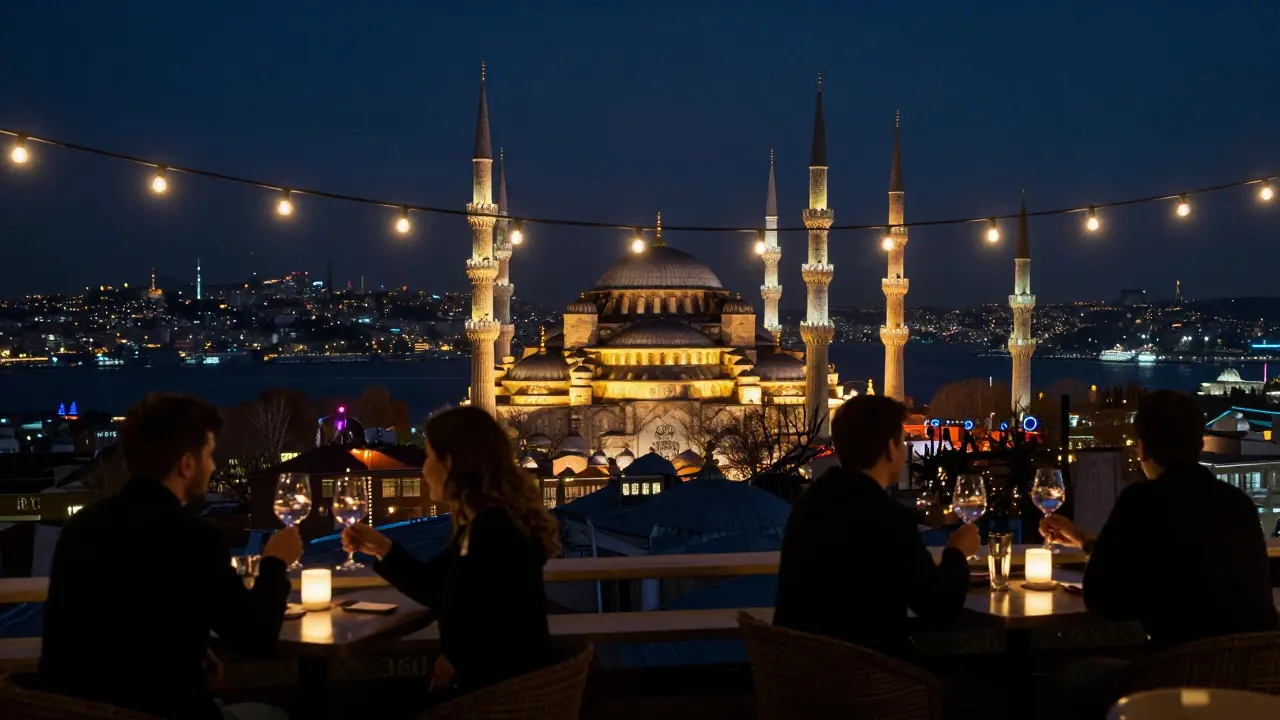
If you want to see Istanbul at night, go up. The city’s skyline isn’t just beautiful-it’s a stage. Rooftop bars like 360 Istanbul and Asmalı Mescit have become landmarks not just for their views, but for their atmosphere. At 360, you’ll find locals sipping craft gin cocktails made with rosewater and sumac, while the lights of the Blue Mosque twinkle below. At Asmalı Mescit, the vibe is older, quieter-a place where poets still recite verses over wine, and the walls remember the 1970s.These spots aren’t just about the view. They’re about the mix. You’ll sit next to a German backpacker, a Turkish fashion designer, and an Iranian expat who moved here for the music scene. The drinks are international, but the soul is unmistakably Istanbul. No velvet ropes. No dress codes that scream exclusivity. Just good music, good company, and a city that feels alive.
From Mezhanes to Nightclubs
Don’t skip the meyhanes. These traditional Turkish taverns are where the night begins for many locals. In Kadıköy, on the Asian side, places like İstanbul Muhallebicisi and Çiya Sofrası stay open until 3 a.m. You’ll eat grilled octopus, stuffed vine leaves, and spicy lamb kebabs, washed down with raki that’s diluted with water and ice until it turns milky white. The music? Maybe a ney, maybe a classic Turkish pop song from the 80s. The vibe? Family-style, loud, warm.Then there’s the club scene. In Cihangir, Bar 61 plays vinyl-only sets from underground DJs who blend Anatolian folk samples with techno. In Nişantaşı, Club 21 draws a younger, fashion-forward crowd with international DJs spinning house and disco. And if you want something wilder, head to Reina on the Bosphorus shore-this legendary spot has hosted everyone from Beyoncé to local Istanbul rappers. It’s not just a club; it’s a cultural event.
The Late-Night Eats That Keep You Going
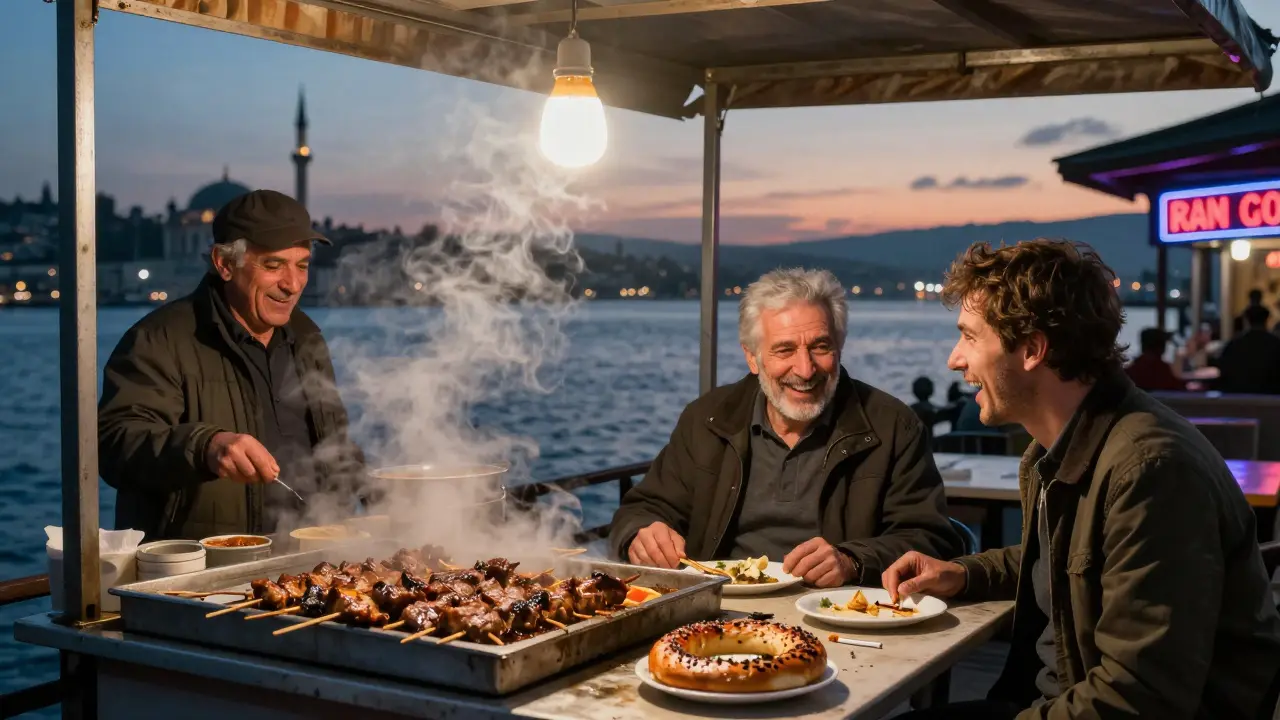
Istanbul’s night doesn’t end when the music stops-it just changes venues. Around 4 a.m., the city’s street food scene wakes up. Head to Çarşamba Kebap in Kadıköy or İskender Kebap in Beyoğlu. You’ll find locals and tourists alike hunched over plates of döner, simit, and gözleme, eating with their hands, laughing, arguing about the best football team.These aren’t tourist traps. These are the places where the night’s real stories unfold. A university student buys a kebab for her friend who just got dumped. A retired fisherman shares a table with a British traveler who’s never tried manti before. No one asks where you’re from. You’re just another person needing food after a long night.
What Makes Istanbul’s Nightlife Different?
It’s not just the location. It’s not just the mix of cultures. It’s the rhythm. In most cities, nightlife is segmented: bars for drinks, clubs for dancing, lounges for quiet chats. In Istanbul, they all overlap. You can start your night with a glass of wine at a quiet bar, move to a live music venue, then end up dancing in a club that plays Turkish hip-hop until sunrise.And there’s no rush. Time moves differently here. A night out can last 12 hours. No one checks their watch. You don’t leave because the bar closes-you leave because the sun is up and you’re finally ready to go home.
There’s also no pressure to conform. You can wear a hijab and still dance on a rooftop. You can be a tourist in flip-flops and still be welcomed at a high-end jazz lounge. Istanbul doesn’t ask you to change. It just invites you in.
When to Go and What to Avoid
The best months for nightlife are April through June and September through November. Summer is hot and crowded. Winter is quiet, but some spots stay open with a cozier, more intimate feel.Avoid places that advertise "Istanbul’s #1 Nightclub" with neon signs and bouncers checking IDs at the door. Those are the ones built for tourists, not locals. The real gems are tucked away in alleyways, behind unmarked doors, or inside old Ottoman mansions.
Also, don’t expect 24/7 partying like in Berlin or Ibiza. Istanbul’s nightlife is more about mood than volume. It’s about connection, not consumption.
Final Tip: Let the City Lead
Don’t plan your night too tightly. Walk without a map. Follow the music. Let someone point you to a place they love. Say yes to invitations-even if you don’t understand the language. Istanbul’s night is best experienced like its food: slowly, with curiosity, and without fear.By dawn, you won’t just remember the places you went. You’ll remember the people. The smile of the bartender who remembered your drink. The stranger who shared their last cigarette. The sound of the call to prayer blending with a bassline as the sun rose over the Golden Horn.
That’s the real blend of East and West-not in architecture or cuisine, but in the way people live, laugh, and stay awake together.
Is Istanbul nightlife safe for tourists?
Yes, Istanbul’s nightlife is generally safe for tourists, especially in popular areas like Beyoğlu, Karaköy, and Kadıköy. Stick to well-lit streets, avoid overly isolated alleys after midnight, and keep an eye on your belongings like you would in any major city. The local police are visible in nightlife districts and often help tourists with directions. Most clubs and bars have security, and locals are usually helpful if you seem lost.
What’s the legal drinking age in Istanbul?
The legal drinking age in Turkey is 18. You’ll be asked for ID at most bars and clubs, even if you look older. Bring your passport or a government-issued photo ID. Alcohol is sold in supermarkets until 10 p.m., but bars and clubs serve it later. Public drinking isn’t illegal, but it’s frowned upon in conservative neighborhoods-stick to licensed venues to avoid trouble.
Do I need to tip in Istanbul nightspots?
Tipping isn’t mandatory, but it’s appreciated. In casual meyhanes, rounding up the bill or leaving 5-10% is common. In upscale clubs and rooftop bars, service is often included, but leaving a few extra lira for good service is a nice gesture. Bartenders and waitstaff rely on tips, especially during peak season. Don’t feel pressured, but don’t be surprised if you’re thanked warmly for a small tip.
Can I find vegan or vegetarian options in Istanbul nightlife?
Absolutely. Istanbul has one of the most vibrant plant-based scenes in the region. Many meyhanes offer vegetarian meze like stuffed peppers, eggplant dip, and lentil soup. In Karaköy and Cihangir, places like VegeKafe and Meatless serve full vegan menus with Turkish twists-think vegan köfte made with chickpeas and walnuts. Even traditional kebab spots now offer vegan döner. Just ask: "Bitkisel menü var mı?" (Do you have a plant-based menu?)
What’s the best way to get around Istanbul at night?
The metro and tram run until midnight, but night buses (Havaİst and N lines) operate until 5 a.m. and connect major nightlife zones. Taxis are cheap and widely available-use BiTaksi or Uber for fixed pricing. Ferries run overnight on the Bosphorus route, offering a scenic and safe way to cross between Europe and Asia. Avoid walking alone in unfamiliar areas after 2 a.m., especially near the old city walls. Most locals will gladly help you find the right bus or taxi.