When the sun sets over Milan, the city doesn’t sleep-it switches modes. The sleek, business-casual suits of the day give way to bold outfits, loud music, and the buzz of people moving from one spot to the next. This isn’t just a city that knows how to dress well-it knows how to party harder than most. But if you’re new here, the sheer number of options can be overwhelming. Where do the locals go after dinner? Which spots actually feel alive, not just tourist traps? Here’s the real guide to Milan’s best nightlife, based on what’s working right now in 2025.
Start in Navigli: Canals, Cocktails, and Crowd Energy
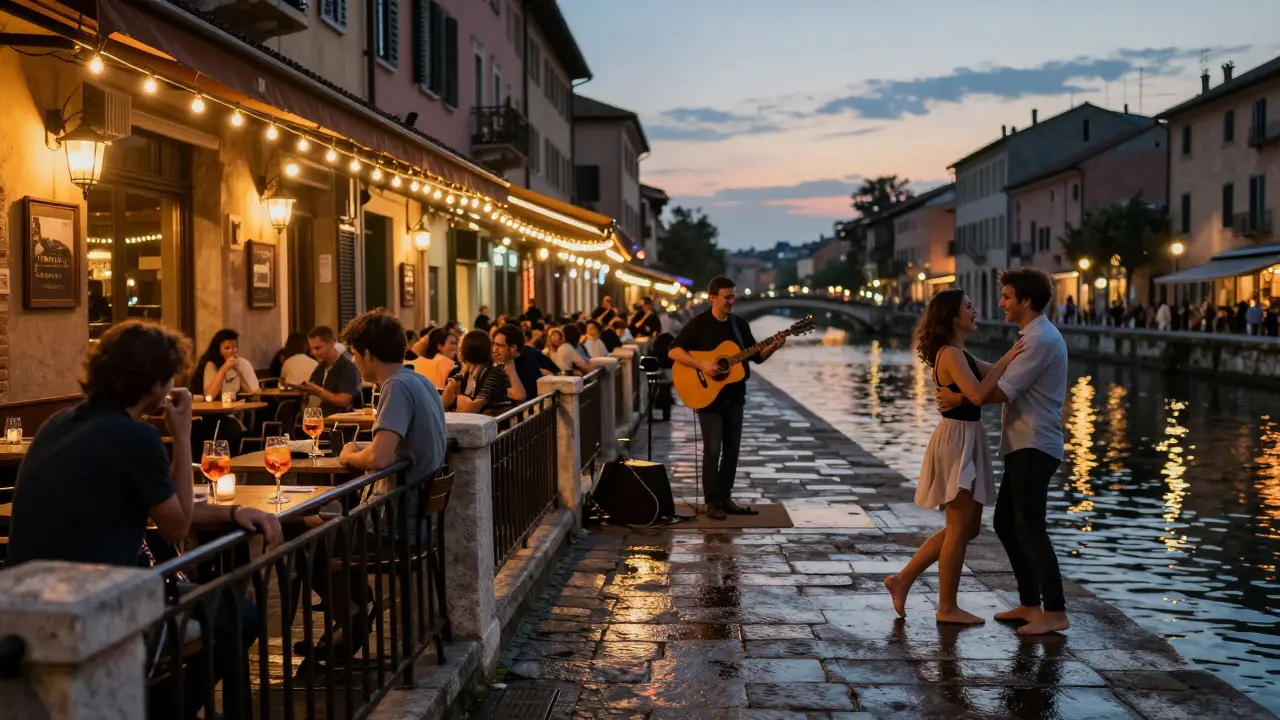
Forget the polished streets of the Duomo district. If you want to feel Milan’s soul after dark, head to Navigli. This canal-side neighborhood has two main branches: Naviglio Grande and Naviglio Pavese. Both are lined with bars that spill out onto the sidewalks, with string lights overhead and locals leaning on railings, sipping Aperol spritzes or craft gin cocktails. The vibe here is relaxed but electric. You won’t find DJs spinning techno at 10 p.m.-you’ll find live acoustic sets, friends laughing over charcuterie boards, and people dancing barefoot on the cobblestones.
Two spots stand out: Bar Luce and La Baita. Bar Luce, inspired by Wes Anderson’s aesthetic, feels like stepping into a 1950s Italian film. It’s small, cozy, and packed with people who came for the vibe, not just the drinks. La Baita, on the other hand, is a local favorite for its cheap wine by the liter and outdoor seating that stretches right to the water. Both are open until 2 a.m. on weekdays and 4 a.m. on weekends. Don’t expect to find a menu with 50 cocktail options-this is about simplicity, quality, and atmosphere.
Move to Porta Venezia: The Underground Scene
If you’re looking for something grittier, more experimental, and less polished, Porta Venezia is where you go. This neighborhood used to be the city’s red-light district. Now, it’s the heart of Milan’s underground music and art scene. The clubs here don’t advertise. You find them by word of mouth, by following the bassline drifting down the street.
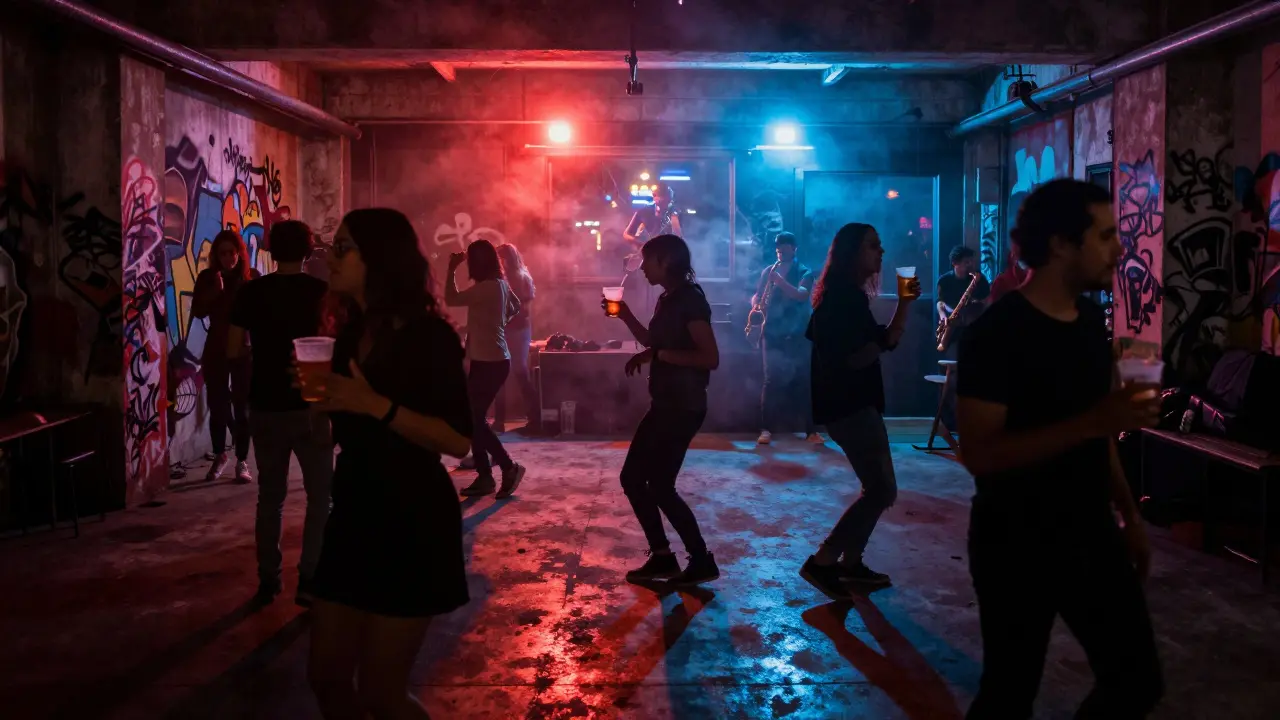
Dancing Room is one of the most respected. It’s not a club-it’s a warehouse. No velvet ropes, no cover charge before midnight. The music changes every night: techno, house, disco, even experimental noise. The crowd? Mix of artists, students, expats, and Milanese who’ve been coming here since the 90s. The bar serves beer in plastic cups. The dance floor? Always full. People don’t come here to be seen-they come to move.
Just down the road, Caffè della Musica opens at 11 p.m. and turns into a late-night jazz and soul lounge. It’s the kind of place where you might end up chatting with a saxophonist who played with Quincy Jones in the 80s. If you want something different from the usual EDM or pop, this is your spot.
Brera After Dark: Chic Bars and Hidden Lounges
Brera is where Milan’s elite go to sip, not to dance. It’s quieter, more intimate, and far more expensive. But if you’re looking for a classy night out with great cocktails and a view, this is the place. The streets are narrow, the buildings are historic, and the bars feel like secret clubs you stumbled into by accident.
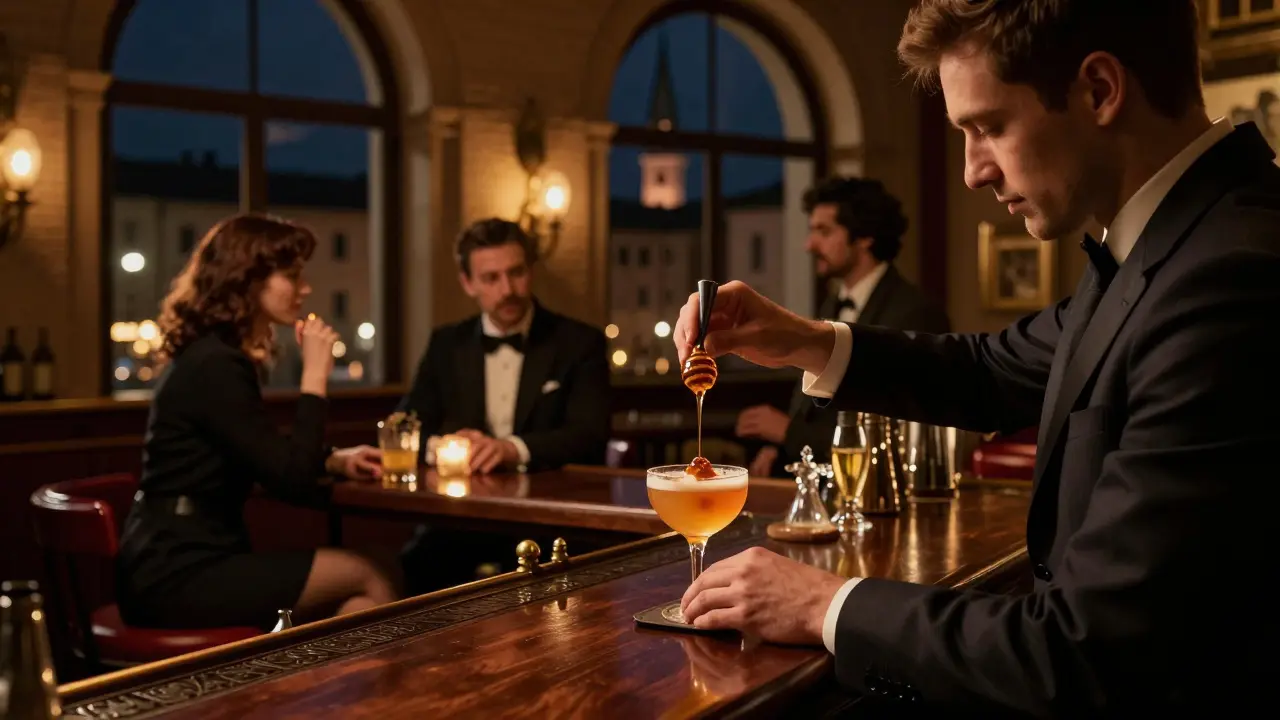
The Alchemist is a cocktail bar that takes mixology seriously. Their signature drink, the “Milanese Sunset,” is made with local vermouth, orange blossom, and a touch of smoked honey. It costs €18, but you’re not just paying for the drink-you’re paying for the experience. The bartenders know your name by the third visit. The lighting is dim, the music is jazz, and the crowd is well-dressed but not pretentious.
For something even more exclusive, try Bar Basso. It’s the birthplace of the Negroni Sbagliato. Open since 1950, it still has the same wooden bar, same red stools, same quiet hum of conversation. You won’t find a neon sign. You won’t hear loud music. But you will find the best version of a classic cocktail in the city.
Corso Como 10: The Iconic Nightclub
Corso Como 10 isn’t just a club-it’s a cultural institution. If you want to see Milan’s most famous nightlife spot, this is it. The building used to be a 19th-century textile factory. Now, it’s a multi-level venue with a rooftop terrace, an art gallery, a restaurant, and a nightclub that draws international DJs and celebrities.
The vibe here is high-energy but not chaotic. The sound system is state-of-the-art. The lighting changes with the music. The crowd? Fashion influencers, artists, tech founders, and tourists who saved up for a night out. Entry is €25-€40 on weekends, and you’ll need to dress to impress. No sneakers, no hoodies. Think tailored jackets, sleek dresses, and designer accessories.
It’s not for everyone. But if you want to say you danced in one of Europe’s most stylish clubs, this is where you do it. The best nights are Friday and Saturday, when the lineup features names like Charlotte de Witte, Theo Parrish, or local Italian house legends.
When to Go and What to Wear
Milan’s nightlife doesn’t start early. Most places don’t get busy until after 11 p.m. Dinner runs late here-most people don’t even think about heading out until 10:30 or 11. Plan accordingly. If you want to avoid lines, show up between 11:30 and midnight. After 1 a.m., the crowds thicken, and doors get tighter.
As for dress code: Milan is fashion-forward, but it’s not about logos. You don’t need to wear Gucci to fit in. You need to look intentional. For men: dark jeans, a well-fitted shirt, and clean shoes. For women: a little black dress, tailored pants, or a stylish jumpsuit. Avoid athletic wear, flip-flops, or anything too casual. Even in Navigli, people dress up a little. This isn’t a beach party-it’s a city that takes style seriously, even at 2 a.m.
How to Get Around
Milan’s metro shuts down at 1 a.m. After that, your options are limited. Uber and Bolt work, but they’re expensive and slow during peak hours. Taxis are reliable but hard to find. The best solution? Walk. Most of the best nightlife spots are clustered in four main areas: Navigli, Porta Venezia, Brera, and Corso Como. If you’re staying near the city center, you can easily hop between them on foot.
If you’re staying farther out, consider booking a private driver through a local service like Milan Night Taxi. It’s a bit pricier than Uber, but the drivers know the city’s nightlife routes and won’t drop you off at the wrong corner.
What to Avoid
There are a few traps. Stay away from bars near the Duomo that advertise “€5 cocktails.” They’re overpriced, weak, and filled with tourists who don’t know better. Avoid clubs that require you to buy a bottle to get in-that’s a scam. And don’t expect to find English-speaking staff everywhere. In the real spots, they speak Italian. Learn a few phrases: “Un bicchiere di vino, per favore,” “Quanto costa?,” “Dove si va dopo?”
Also, don’t assume the party ends at 3 a.m. Some of the best after-hours spots open at 4 a.m. and stay open until sunrise. La Cucina del Jazz is one of them-a tiny kitchen-turned-bar in the Lambrate district that serves espresso martinis and warm panini at 5 a.m. It’s not on any map. Ask a local. They’ll know.
Final Tip: Follow the Locals
The best night in Milan doesn’t come from a blog or a travel guide. It comes from asking someone who lives here: “Where do you go when you don’t want to be seen?” That’s the real secret. Go to a bar in Navigli, strike up a conversation, and let someone show you their favorite spot. You’ll end up in a place no one else knows about-and that’s the point.
What time do clubs in Milan usually close?
Most clubs in Milan close between 2 a.m. and 4 a.m., depending on the night and the neighborhood. Navigli bars often stay open until 4 a.m. on weekends, while upscale clubs like Corso Como 10 typically shut down by 3 a.m. After-hours spots in areas like Lambrate or Porta Venezia may open at 4 a.m. and run until sunrise.
Is it safe to walk around Milan at night?
Yes, Milan is generally safe at night, especially in the main nightlife districts like Navigli, Brera, and Porta Venezia. These areas are well-lit, busy, and patrolled. Avoid isolated streets near the train station after midnight, and don’t carry large amounts of cash. As with any major city, stay aware of your surroundings and trust your instincts.
Do I need to make reservations for clubs in Milan?
For most places, no. Popular clubs like Corso Como 10 sometimes have guest lists or online reservations for weekend nights, especially if there’s a big DJ. But for the majority of bars and smaller clubs-especially in Navigli and Porta Venezia-you can just show up. Walk-ins are welcome, and lines are usually short before midnight.
What’s the average cost of a drink in Milan’s nightlife spots?
In Navigli and Porta Venezia, expect to pay €8-€12 for a cocktail or glass of wine. In Brera and upscale lounges, drinks range from €15-€20. At Corso Como 10, cocktails start at €18, and bottle service can run €150 or more. Beer is usually €5-€7 everywhere. The cheapest options are local wine by the liter in Navigli, often under €10 for a full bottle.
Are there any free entry nights in Milan?
Yes, especially in Porta Venezia and smaller bars in Navigli. Many places offer free entry before midnight or on Wednesday nights. Dancing Room and Caffè della Musica often have no cover charge on weekdays. Check their Instagram pages the day before-most local spots post their weekly lineups and entry deals there.