Quick Summary
- Milan nightlife starts with aperitivo, a pre-dinner drink ritual with free food between 6 PM and 9 PM.
- Key neighborhoods include Navigli for canals and bars, Brera for chic vibes, and Isola for trendy spots.
- Clubs often require dress codes; avoid sneakers and sportswear to ensure entry.
- Public transport stops around 1 AM, so plan for taxis or rideshares late at night.
- Budget for cocktails at 12-18 EUR and club entry fees ranging from 20-40 EUR on weekends.
When people think of Milan, they often picture high fashion runways or the Duomo cathedral. But once the sun sets, this city transforms into one of Europe's most electric party hubs. You might be visiting for work or a weekend getaway, but if you want to experience the real energy of the city, you need to know how the locals play. The nightlife here isn't just about drinking; it is a structured social ritual that moves from casual aperitivo to high-energy clubs. Understanding this flow saves you money and gets you into the right places.
Many tourists make the mistake of showing up at a club at 10 PM, only to find the doors closed or the line empty. In Milan, the night is a marathon, not a sprint. This guide breaks down exactly where to go, what to wear, and how to navigate the city after dark in 2026.
The Aperitivo Culture: Your Night Starts Here
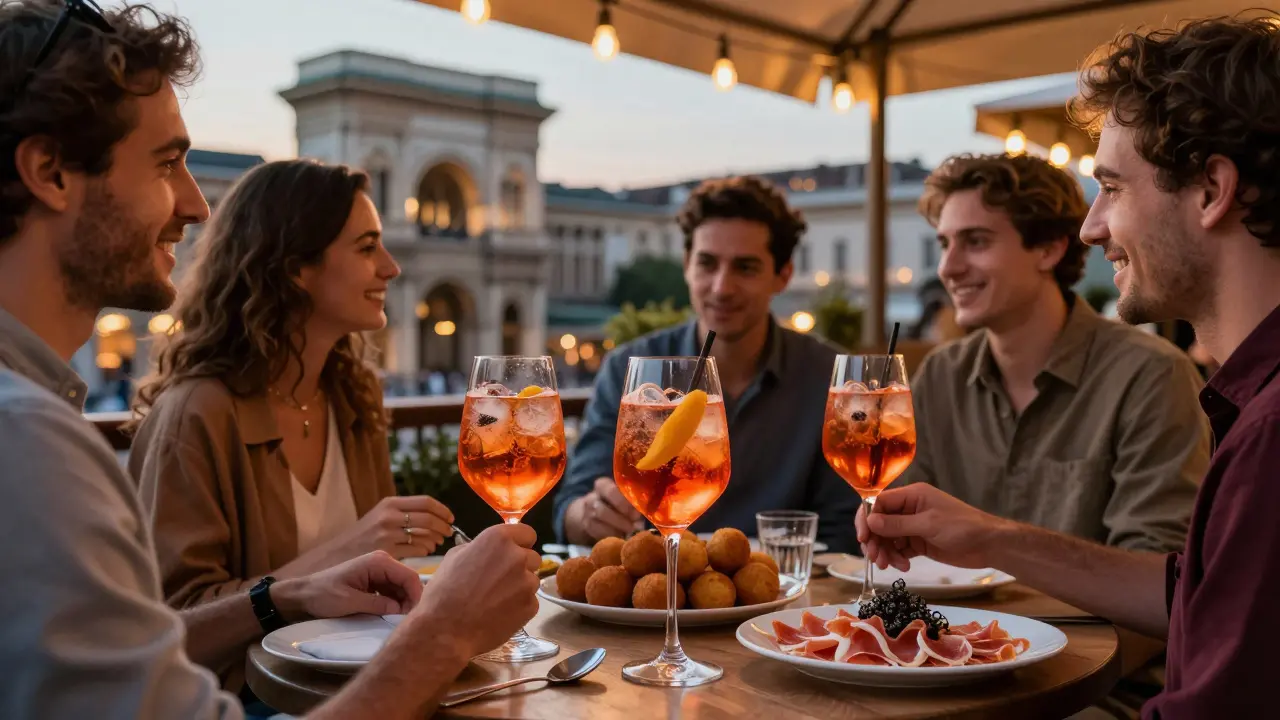
Before you think about dancing, you must understand Aperitivo is a traditional Italian pre-dinner drink ritual that typically includes a beverage and access to a buffet of food. Also known as Aperitivo Milano, this custom is the heartbeat of Milanese social life. It usually runs from 6:00 PM to 9:00 PM, though some bars extend this until 10:00 PM on Fridays.
You pay for one drink, often a Spritz, Negroni, or a glass of wine, and you get access to a buffet. The price typically ranges from 12 to 25 EUR depending on the venue. In budget-friendly spots, you might get a simple beer and some chips. In upscale locations, you can find gourmet options like truffle arancini, carpaccio, and fresh pasta. This isn't just a snack; it is often enough to keep you full until dinner, which many locals skip entirely.
Why does this matter for your night out? It is the warm-up. You meet friends, you grab a drink, and you decide where to go next. If you skip aperitivo, you miss the social layer that defines the city. Popular chains like Alcatraz is a well-known aperitivo bar chain offering extensive buffets and cocktails are great for beginners because they are consistent. For something more local, head to the backstreets near the metro stations.
Top Neighborhoods for Nightlife
Milan is not one big party zone; it is divided into distinct districts, each with its own personality. Choosing the right area depends on what kind of vibe you want. You don't want to be in a quiet residential area if you are looking for techno music, and you don't want to be in a high-fashion club if you are dressed casually.
| Neighborhood | Vibe | Best For | Typical Crowd |
|---|---|---|---|
| Navigli | Canals, historic, lively | Bars, aperitivo, walking | Tourists, locals, couples |
| Brera | Chic, old-world, elegant | Cocktail bars, wine bars | Older crowd, fashion industry |
| Isola | Trendy, hipster, young | Live music, craft beer | Expats, students, creatives |
| Corso Como | Upscale, high-energy, fashion | Clubs, VIP entry | International, wealthy |
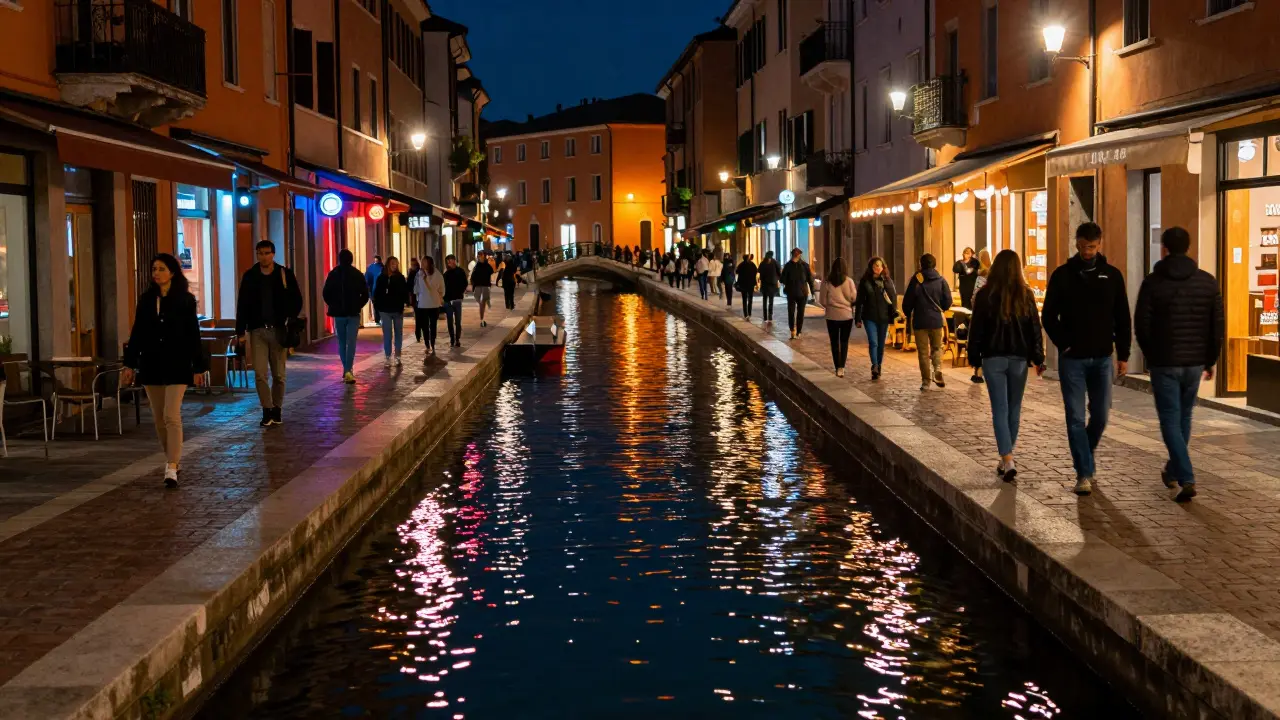
Navigli is the most famous nightlife district in Milan, known for its canals and hundreds of bars. Also known as Navigli District, this area is perfect for people who want to bar-hop. The streets are lined with venues right next to the water. It can get crowded, especially on Thursday and Friday nights. If you want to see the city lights reflecting on the water while sipping a Negroni, this is your spot. The energy here is loud and boisterous.
For a more sophisticated experience, head to Brera is a historic neighborhood known for its narrow streets, art galleries, and upscale bars. Also known as Brera District, the streets here are cobblestone and winding. You will find more wine bars and cocktail lounges than loud dance clubs. The crowd tends to be older and more dressed up. It is a great place to start your night before moving to a club later.
If you want to see the younger side of Milan, go to Isola is a trendy neighborhood in the west of Milan popular with expats and young professionals. Also known as Isola District, this area has exploded in popularity recently. You will find craft beer pubs, jazz clubs, and underground techno spots. It feels less touristy than Navigli and more authentic. The famous Galleria Isola is a hub for these venues.
Clubbing and Music Venues
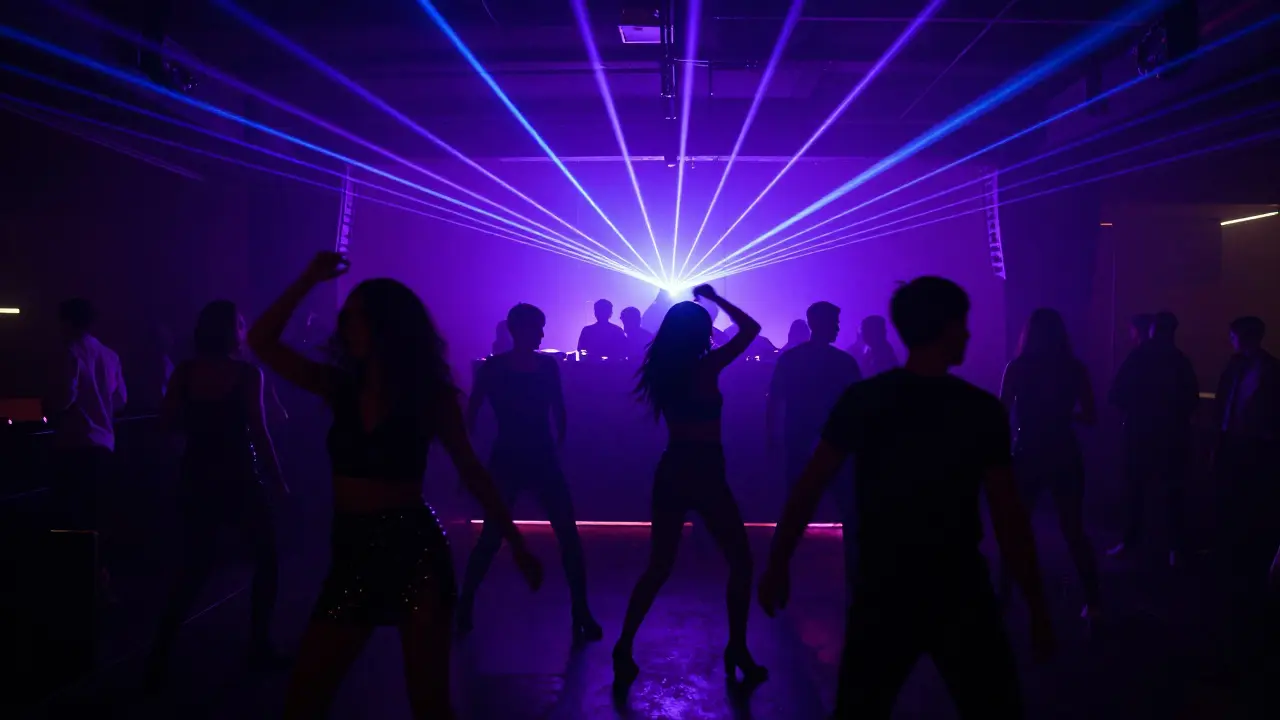
Once you are done with aperitivo and maybe dinner, the real party begins. Milan has some of the best clubs in Europe. However, the rules here are strict. Most clubs do not open until 11:30 PM, and the peak time is between 2 AM and 4 AM. Arriving too early means waiting in a line that has nowhere to go.
Music genres vary by venue. You will find House and Techno dominating the larger clubs, while smaller venues might focus on Hip-Hop or Latin music. Magda is a legendary club in Milan known for its electronic music and high-end atmosphere. Also known as Magda Club, it is a staple for those who want a serious dance floor experience. Expect to pay a cover charge. Prices for entry can range from 20 EUR to 40 EUR depending on the DJ playing that night.
Another option is The Yard is a popular venue offering a mix of cocktails and music in a stylish setting. Also known as The Yard Milan, this place is great for a slightly more relaxed clubbing experience. It often hosts international DJs. If you prefer live music over DJs, look for venues in the Isola district that host jazz or rock bands. These are often cheaper and have a more intimate feel.
Remember that many clubs enforce a strict dress code. This is not just a suggestion; bouncers will turn you away if you look too casual. Men should wear smart trousers and closed shoes. Women should wear dresses or stylish outfits. Avoid wearing sportswear, flip-flops, or baseball caps. If you are unsure, it is better to be slightly overdressed than underdressed.
Practical Tips for Budgeting and Safety
Money is a big factor in your night out. A single cocktail in a club can cost between 12 and 18 EUR. A beer might be 6 to 10 EUR. If you plan on staying out all night, you need to budget accordingly. Many clubs offer drink packages, which can save you money if you know you will be drinking a lot. Ask about "bottles" or "buckets" when you arrive.
Transport is another critical piece of the puzzle. The Milan Metro system is excellent during the day, but it stops running around 1:00 AM on weekdays and slightly later on weekends. If you miss the last train, you will need a taxi or a rideshare app. Taxis are available at stands near major squares, but hailing one on the street can be difficult late at night. Rideshare apps like Uber Black are available in Milan, but they are more expensive than regular taxis.
Safety in Milan is generally good, but like any major city, you need to be aware of your surroundings. Pickpocketing can happen in crowded areas like Navigli or on the metro. Keep your phone and wallet in a front pocket or a zipped bag. Do not flash large amounts of cash. Stick to well-lit streets when walking home. If you are in a group, make sure everyone stays together.
Also, consider the weather. In March, it can be chilly at night. Bring a jacket or a scarf. In the summer, it can be very hot, so dress accordingly. The city is walkable, but distances can add up if you are moving between neighborhoods. Walking from Brera to Navigli takes about 20 minutes, which is fine if you are sober, but might be tough after a few drinks.
Weekend vs. Weekday Nightlife
The energy of the city changes depending on the day. Wednesday and Thursday are the busiest nights for locals. Many people go out on these nights because they have work on Friday. Friday and Saturday nights are often filled with tourists and people who work late during the week. If you want to experience the local scene, try to go out on a Wednesday or Thursday.
Monday and Tuesday nights are much quieter. Most clubs are closed, and bars have a relaxed atmosphere. This is a good time for a quiet drink or a conversation without the noise. Sunday nights are often the end of the party week, with some venues staying open late for "after hours" sessions. These are popular with people who want to dance until sunrise.
Planning your night around the day of the week can save you money and time. Lines are shorter on weekdays, and drink prices might be lower. Some clubs offer happy hour deals on specific weekdays. Check the social media pages of the venues you want to visit to see their weekly schedule.
What time does nightlife start in Milan?
Nightlife in Milan typically starts with aperitivo around 6:00 PM. Bars and clubs usually open later, with clubs often not filling up until after midnight.
Is it safe to walk around Milan at night?
Yes, Milan is generally safe at night, especially in popular areas like Navigli and Brera. However, stay aware of pickpockets in crowded places and stick to well-lit streets.
Do I need to dress up for clubs in Milan?
Yes, most clubs have a strict dress code. Avoid sportswear, sneakers, and caps. Men should wear smart trousers and shoes, while women should wear dresses or stylish outfits.
How much does a drink cost in Milan?
A cocktail in a club costs between 12 and 18 EUR. A beer is typically 6 to 10 EUR. Aperitivo drinks range from 12 to 25 EUR and often include food.
When does the metro stop running?
The Milan Metro usually stops running around 1:00 AM on weekdays and slightly later on weekends. Plan to take a taxi or rideshare if you stay out later.