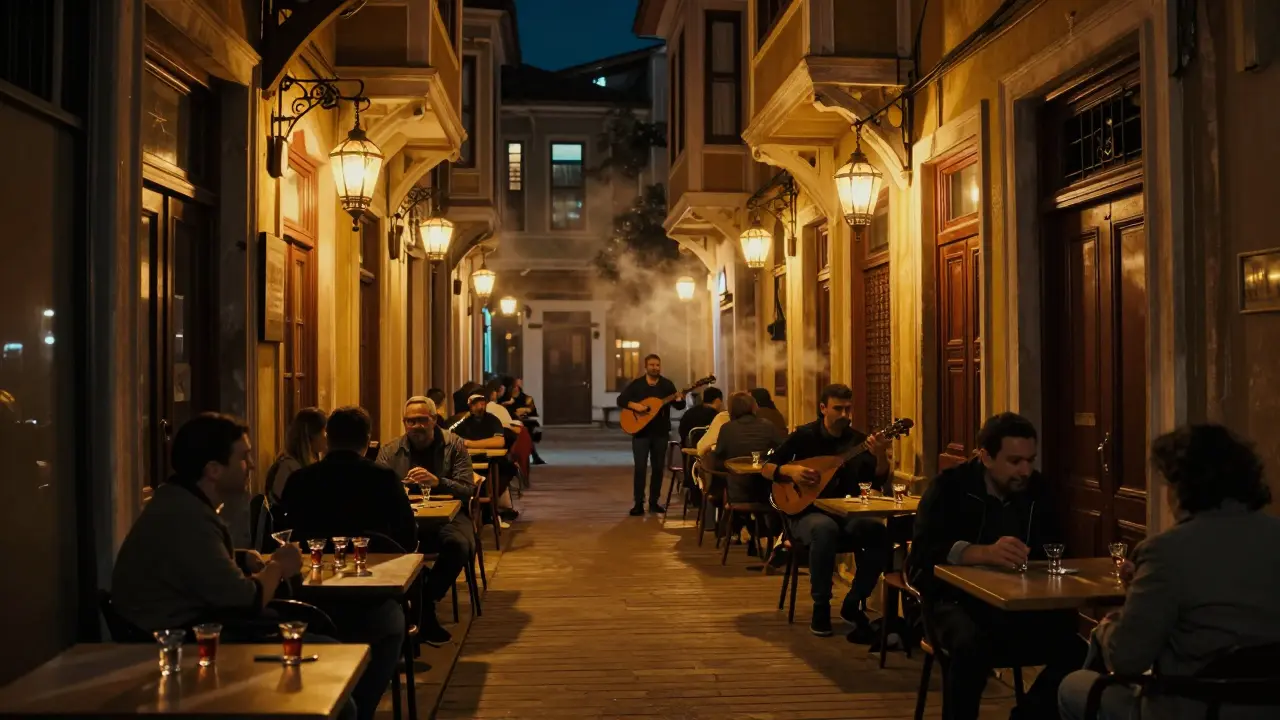
Most tourists leave Istanbul after seeing the Hagia Sophia and the Grand Bazaar, never knowing the city truly comes alive after dark. The nightlife here isn’t just about clubs and loud music-it’s about secret courtyards, rooftop lounges with views of the Bosphorus, underground jazz spots, and late-night meze joints where locals gather long after midnight. If you’ve only experienced the tourist-heavy spots like Istiklal Street, you’ve only scratched the surface.
Where the Locals Go After 11 PM
Forget the neon signs and bouncers outside the big-name clubs. The real Istanbul nightlife starts where the tourists don’t. Head to Beyoğlu, but skip the main drag. Turn down Çiçek Pasajı, the historic arcade that used to be full of fish restaurants, and now houses intimate wine bars with live bağlama music. Try Bar 1919-it’s unmarked, no sign, just a narrow door near the end of the passage. Inside, it’s dim, warm, and packed with artists, writers, and professors debating politics over rakı and olives. No one speaks English. You don’t need to.
Another favorite is Asmalı Mescit, a quiet square tucked behind the Galata Tower. At night, the benches fill with people sipping tea or local wine from paper cups. Street musicians play traditional tunes, and if you’re lucky, someone will invite you to join their circle. It’s not a club. It’s not a bar. It’s just life, happening slowly, without a playlist.
The Rooftop Scene You Won’t Find on Instagram
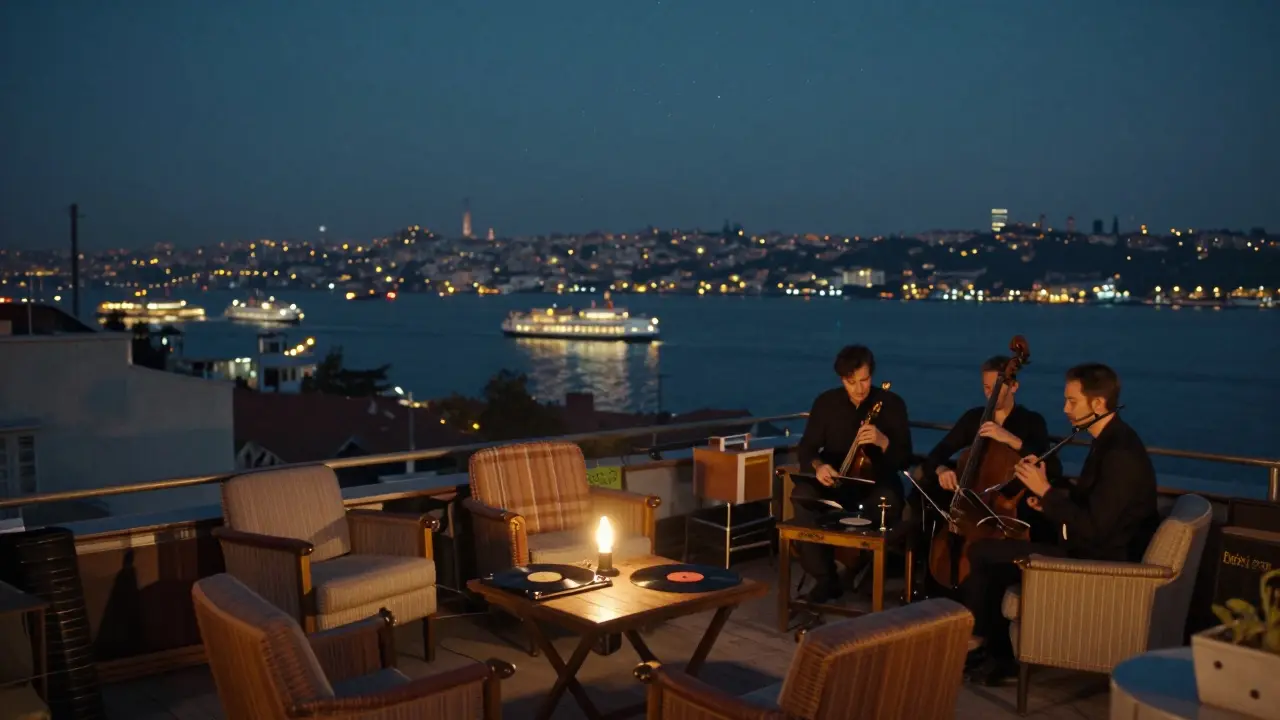
Everyone knows about the rooftop bars with panoramic views. But the ones locals whisper about? Those are harder to find. Perili Köşk on the Asian side has a rooftop terrace that opens only on weekends. No reservations. No dress code. Just a small wooden sign, a stairway, and a view of the Bosphorus lit up like a string of fireflies. The drinks are cheap, the music is vinyl-only jazz, and the crowd is mostly Turkish expats returning home or foreign artists living off savings.
On the European side, Boğaziçi Kafe hides above a bookshop in Nişantaşı. You walk in through a second-floor door, past shelves of Turkish poetry, and into a room with mismatched armchairs and a single ceiling fan. The owner, a retired professor, serves homemade limonata and lets you borrow books. No one checks your ID. No one asks for your name. It’s open until 3 AM, and sometimes longer if the conversation doesn’t end.
Underground Clubs and Late-Night Sound
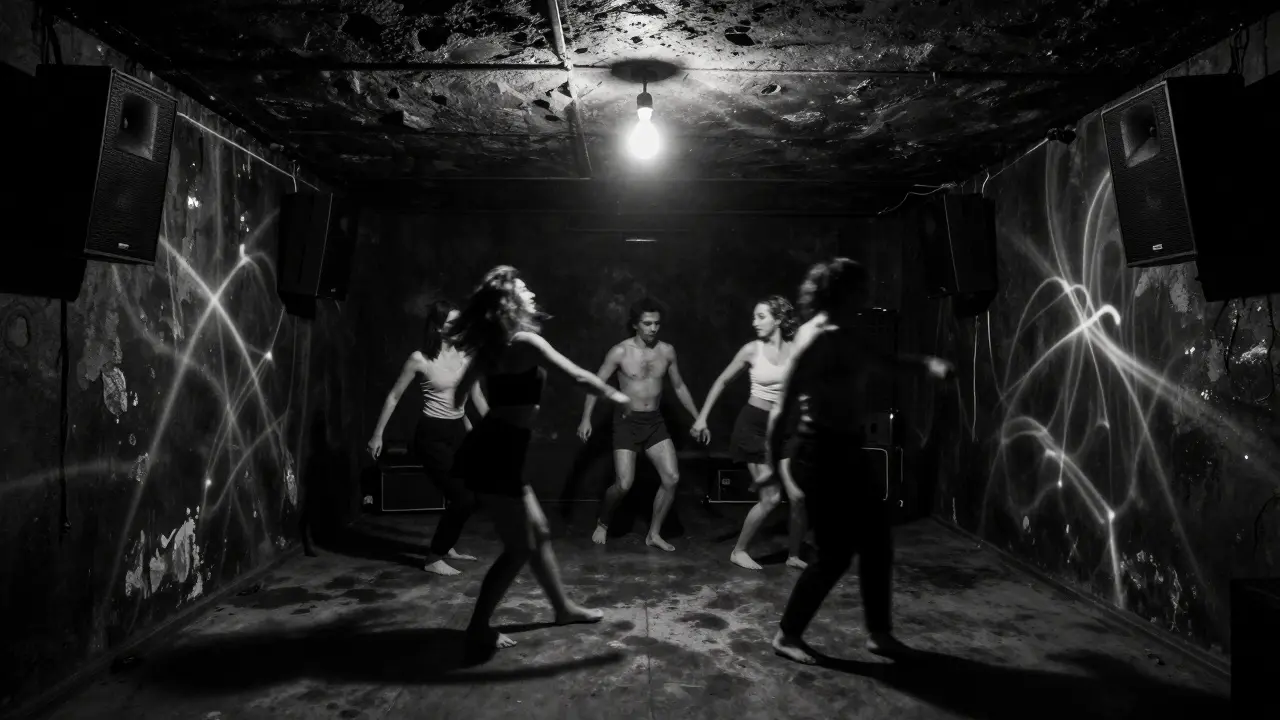
Istanbul’s electronic music scene isn’t in the flashy clubs downtown. It’s in abandoned warehouses near Kadıköy, under train bridges, or in basements of old apartment buildings. Barış is one of them-a tiny, unlisted venue in Moda. You need a friend to get in. The door is painted black. The sound system is custom-built from salvaged speakers. The DJ plays Turkish techno mixed with Ottoman samples. No lights. Just a single bulb hanging from the ceiling. People dance barefoot on concrete. No phones. No cameras. Just bodies moving to rhythms that haven’t been heard outside this room.
Another spot is Sound Cave in Karaköy. It’s not a club. It’s a sound lab. People come to experiment with analog synths, loop pedals, and live percussion. You pay 20 Turkish lira (less than $1) to enter. You stay as long as you want. Sometimes the session ends at sunrise. Sometimes it ends when the power goes out. Either way, you leave with a new playlist in your head.
Food That Keeps the Night Alive
Nightlife in Istanbul doesn’t end when the music stops-it begins with the food. Çiya Sofrası in Kadıköy opens at 9 PM and doesn’t close until 4 AM. It’s not fancy. No tables with tablecloths. Just plastic chairs, steaming pots of lentil soup, and skewers of grilled lamb that smell like smoke and memory. Locals come here after clubs, after dates, after arguments. They eat slowly. They talk louder. They order more.
Then there’s Yeni Lokanta in Cihangir. Open since 1987, it serves simple dishes: stuffed mussels, fried zucchini flowers, and a tomato salad with pomegranate molasses. The chef, now in his 70s, still works the grill. He doesn’t take cards. He doesn’t have a website. He just nods when you walk in and says, “What do you want tonight?”
What to Avoid
Not every place with a neon sign is worth your time. Stay away from the “Istanbul Night Tour” buses that drop you off at overpriced belly dance shows. Skip the clubs that charge 150 lira just to walk in and serve you a $15 cocktail. These aren’t hidden gems-they’re traps.
Also, avoid drinking tap water after midnight. Stick to bottled mineral water, even if it’s just from the corner store. And never assume everyone speaks English. A simple “Merhaba” and a smile go further than any phrasebook.
When to Go
Weekends are busy, but weekdays are where the magic happens. Tuesday and Wednesday nights are quietest, and that’s when the real regulars show up. Bars are less crowded, prices drop, and the music gets better. Friday and Saturday are for tourists and special events. Sunday? That’s when the city resets. You’ll find people sleeping on park benches, street cleaners sweeping up broken glasses, and a few lingering souls at 24-hour coffee shops, talking about what happened the night before.
How to Navigate
Public transport runs until 2 AM on weekdays and 4 AM on weekends. The metro is safe, clean, and cheap. But if you’re heading to the Asian side, take the ferry. The ride across the Bosphorus at midnight, with the city lights shimmering on the water, is one of the most beautiful things you’ll ever see in Istanbul.
Uber and BiTaksi are reliable. Avoid taxis that don’t use meters. And if you’re walking, stick to well-lit streets. Most neighborhoods are safe, but some alleys in Beyoğlu get quiet after 2 AM. Trust your gut.
What You’ll Remember
You won’t remember the name of the club. You won’t remember the DJ’s setlist. You’ll remember the old man who handed you a warm simit at 3 AM because you looked tired. You’ll remember the woman who sang along to a Turkish folk song in a bar where no one else knew the words. You’ll remember the silence after the last note of a bağlama, and how the whole room held its breath.
Istanbul’s nightlife isn’t about being seen. It’s about being present. It’s not loud. It’s not flashy. But if you listen closely, it sings.
Is Istanbul nightlife safe for solo travelers?
Yes, Istanbul’s nightlife is generally safe for solo travelers, especially in areas like Beyoğlu, Kadıköy, and Cihangir. The city has a strong culture of hospitality, and locals often look out for strangers. Stick to well-lit streets after midnight, avoid isolated alleys, and trust your instincts. Public transport runs late, and taxis like BiTaksi are reliable. Just avoid overly crowded tourist traps where scams are more common.
What’s the best time of year for nightlife in Istanbul?
Late spring through early autumn (May to October) is ideal. The weather is warm, outdoor venues open up, and the energy is high. Summer nights are long, and festivals like the Istanbul Jazz Festival or the International Istanbul Film Festival bring extra buzz. Winter nightlife is quieter but more intimate-many hidden bars and jazz spots stay open, and the crowds are smaller, making it easier to connect with locals.
Do I need to speak Turkish to enjoy Istanbul’s nightlife?
No, but learning a few phrases helps. Most people in popular nightlife areas understand basic English, especially younger generations. However, the best experiences happen in places where English isn’t spoken at all. A simple “Merhaba” (hello), “Teşekkür ederim” (thank you), and “Lütfen” (please) go a long way. Many bar owners appreciate the effort and will treat you like family.
How much should I budget for a night out in Istanbul?
You can have a full night out for under 500 Turkish lira ($15-20). A drink at a local bar costs 40-80 lira, a meze platter is 120-180 lira, and a ferry ride is 20 lira. Underground clubs often charge 20-50 lira entry, and some are free. Avoid tourist zones where cocktails cost 200+ lira. Stick to neighborhood spots, and you’ll get authentic experiences without overspending.
Are there any dress codes for Istanbul’s nightlife?
Most places have no dress code. Jeans, t-shirts, and sneakers are fine everywhere-even at rooftop lounges. Some upscale bars in Nişantaşı or Bebek might prefer smart casual, but no one will turn you away. The only exception is religious sites near nightlife areas, like mosques, which require modest clothing. Otherwise, comfort and confidence matter more than fashion.