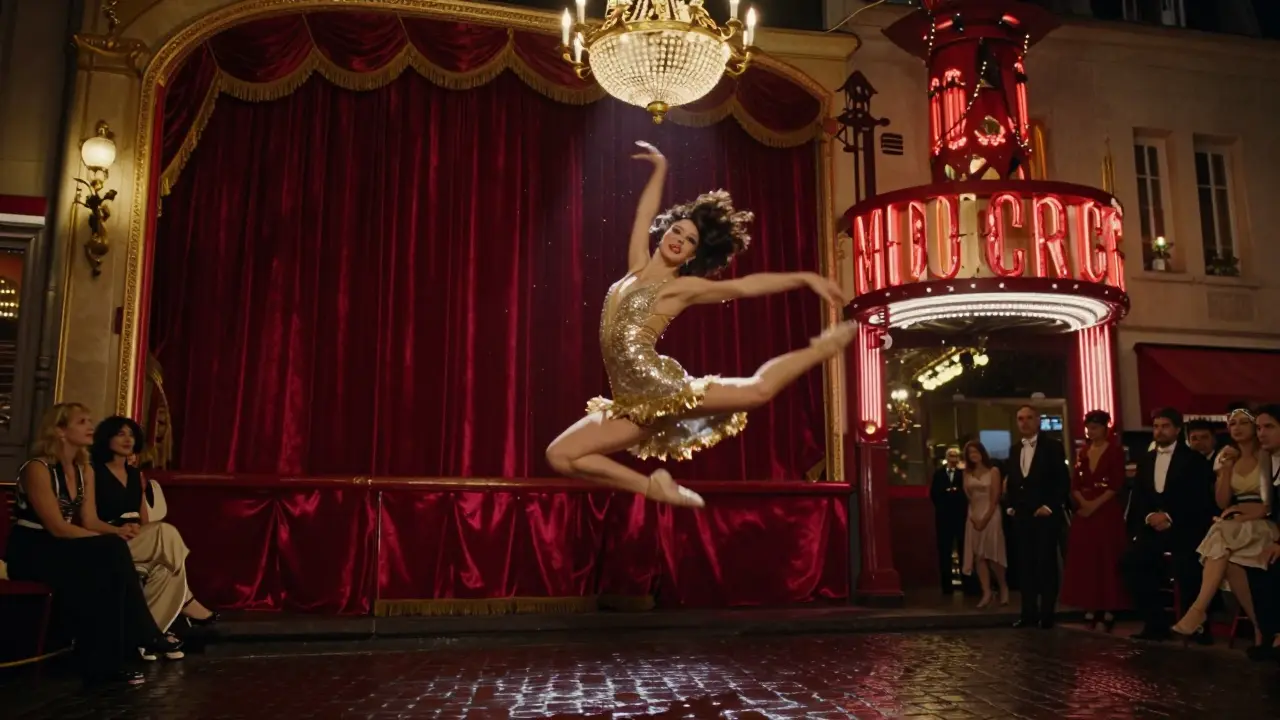
Paris doesn’t sleep when the sun goes down. While tourists head back to their hotels, the city shifts into a different rhythm-one fueled by jazz, wine, whispered conversations, and the glow of neon signs reflecting off wet cobblestones. This isn’t just about partying. It’s about tradition, atmosphere, and knowing where to find the real magic after midnight.
The Cabaret Legacy: More Than Just Showgirls
The Moulin Rouge isn’t just a postcard. It opened in 1889, and for over 130 years, it’s been the heartbeat of Parisian nightlife. But don’t think it’s all feathers and frills. The real art lies in the precision of the can-can, the orchestral live music, and the way the audience leans in-not because they’re shocked, but because they’re part of something timeless. Tickets start at €85, and you’re not just watching a show-you’re sitting in the same room where Toulouse-Lautrec painted, where Josephine Baker first stunned Europe, and where the line between performer and spectator blurs.
Other cabarets like Lido and Crazy Horse offer different flavors. Lido is grander, more theatrical, with synchronized dancers and gilded ceilings. Crazy Horse is intimate, sensual, focused on lighting and movement rather than costumes. It’s not about nudity-it’s about the art of the body in motion. Book ahead. These aren’t walk-in spots. They’re experiences you plan for, like a museum visit or a Michelin-starred dinner.
The Late-Night Café Culture: Where Time Slows Down
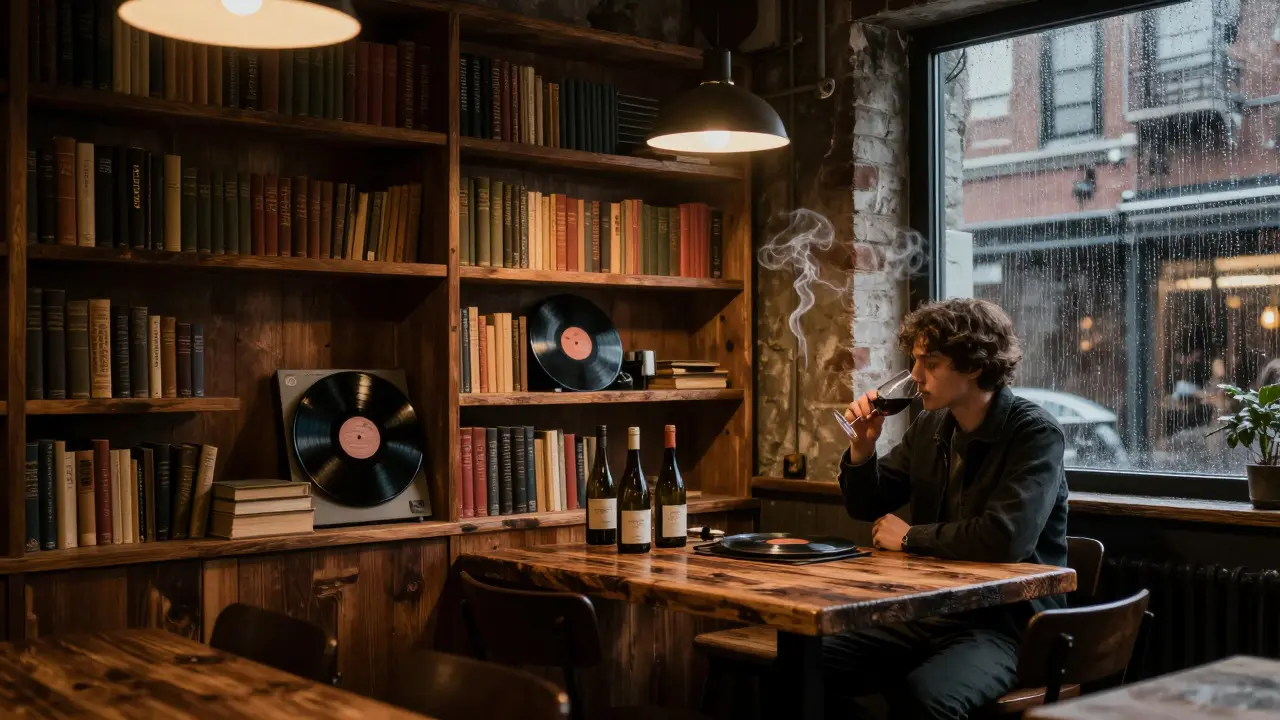
After the cabarets close, the real Parisians head to cafés. Not the ones with outdoor umbrellas on the Champs-Élysées, but the hidden ones tucked into the 10th, 11th, and 18th arrondissements. Le Comptoir Général in the 10th is a former warehouse turned into a moody, book-filled space where DJs spin vinyl and locals sip natural wine until 3 a.m. The air smells like old wood, coffee grounds, and incense. There’s no menu-just a chalkboard with three wines and a daily cocktail. You order, you sit, you listen.
Le Procope, founded in 1686, still serves espresso at 2 a.m. on weekends. It’s not a tourist trap-it’s a living archive. You’ll find students debating philosophy, writers typing on laptops, and retirees arguing over the latest film. The waiters don’t rush you. They know you’re not in a hurry. The coffee is strong, the sugar cubes are served in a tiny porcelain dish, and the silence between conversations is comfortable.
The Jazz Cellars: Music That Lives in the Walls
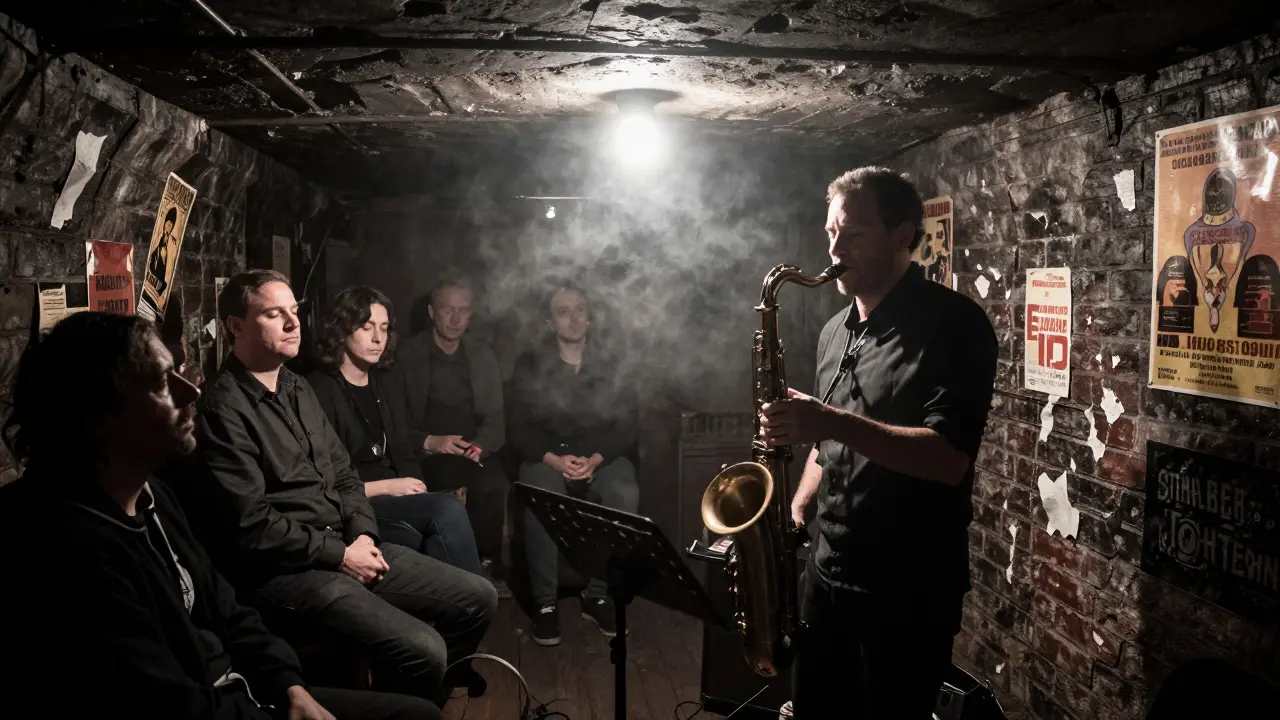
Paris has more jazz clubs than any other European city. In the basement of a 19th-century building in Saint-Germain-des-Prés, Le Caveau de la Huchette has been playing hot jazz since 1946. No one there speaks English. The musicians don’t pause for applause-they just keep playing. You don’t need to know the difference between swing and bebop. You just need to feel it. The room is small, the ceiling low, and the air thick with cigarette smoke and sweat. It’s not clean. It’s not polished. It’s real.
Another spot, New Morning in the 10th, hosts international artists every night. You might catch a Brazilian percussionist one night and a French avant-garde saxophonist the next. Cover is usually €15-25. No reservations. You show up, stand near the back, and let the music pull you in. The crowd? Mix of locals, expats, and travelers who’ve heard the whispers. No one comes here to be seen. They come because the sound gets inside you.
Bar Hopping in the Marais: Where Style Meets Substance
The Marais isn’t just for brunch. At night, it becomes a maze of hidden bars. In a narrow alley off Rue des Rosiers, you’ll find Le Perchoir-a rooftop bar with views of the city’s rooftops and the Eiffel Tower blinking in the distance. The cocktails are creative: one might be made with rosemary-infused gin and pear liqueur. The music is low, the lighting soft. It’s the kind of place you stay in until your feet ache.
Downstairs, Le Baron is a velvet-lined, speakeasy-style club. You need to know the password. Or you can just show up on a Friday and wait in line. It’s not about exclusivity-it’s about the vibe. The DJs here don’t play Top 40. They mix French house, Detroit techno, and obscure 90s R&B. The crowd is young, stylish, and uninterested in being photographed. This isn’t Instagram bait. It’s a space where music matters more than looks.
The 24-Hour Bistros: Where the Night Never Ends
Not everyone wants to dance or sip cocktails. Some just want a warm plate and a glass of red. That’s where the 24-hour bistros come in. Le Petit Pontoise on Rue de Pontoise serves steak frites until 6 a.m. The chef has been there since 1987. He doesn’t smile much, but he knows your name by the third visit. The fries are crisp, the beef is seared just right, and the wine list is simple: three bottles, all under €12.
At 4 a.m., you’ll find taxi drivers, night nurses, and poets sitting side by side. No one talks about their day. They just eat. The lights are bright. The chairs are worn. The coffee is strong. It’s the most honest place in Paris after midnight.
What to Avoid: The Tourist Traps
Not every place with a neon sign is worth your time. Avoid the bars near Notre-Dame that offer “Parisian cocktails” made with cheap vodka and artificial fruit syrup. Stay away from the “live music” venues on Montmartre that play cover versions of Ed Sheeran. These places charge €20 for a drink that costs €2 to make. They’re designed for people who don’t know the difference between a real jazz club and a karaoke bar with a saxophone.
Same goes for the “authentic” cabaret shows advertised on the street. If someone is handing out flyers and shouting, “Only €30 tonight!”-run. The real ones don’t need to advertise. They sell out weeks in advance.
How to Do It Right: A Simple Rule
The key to Parisian nightlife isn’t finding the hottest spot. It’s finding the quietest one. Look for places where the staff doesn’t look up when you walk in. Where the music isn’t blasting. Where the tables are slightly crowded, but no one is yelling. Where the lights are dim, but the atmosphere is bright.
Start at a café after 11 p.m. Stay for two drinks. Walk. Listen. Let your feet lead you. Ask a local bartender, “Where do you go after your shift?” They’ll give you a name. You’ll find a place that doesn’t appear on Google Maps. That’s the one.
Seasonal Shifts: What Changes Through the Year
Winter in Paris is quiet but magical. The outdoor terraces close, but the indoor spaces get cozier. Jazz clubs add extra sets. The wine bars pour more reds. In summer, the city explodes. Rooftops fill up. Pop-up bars appear on the Seine. The night lasts longer. But the rhythm stays the same. People still come for the silence between notes, not the noise.
Don’t expect summer crowds in January. The locals who love Paris at night don’t leave. They just dress warmer.
Final Thought: It’s Not About the Night. It’s About the People.
Parisian nightlife isn’t a checklist. You don’t “do” the Moulin Rouge and then check off “nightlife in Paris.” It’s about the old man at the corner café who remembers when the street didn’t have a name. It’s about the jazz musician who plays for free on Sundays because he loves the sound. It’s about the barista who knows you like your espresso with two sugars even if you never told her.
That’s the art. Not the lights. Not the music. The people who keep it alive, quietly, without fanfare, night after night.
Is Paris nightlife safe at night?
Yes, most areas popular with nightlife-like Le Marais, Saint-Germain, and the 10th arrondissement-are well-lit and patrolled. Avoid isolated streets near the périphérique and don’t walk alone with valuables in plain sight. Stick to busy areas after midnight. The locals know where it’s safe. Follow their lead.
Do I need to speak French to enjoy Paris nightlife?
No, but a simple “Bonjour,” “Merci,” and “S’il vous plaît” go a long way. Most bartenders and waiters in popular spots speak English. But in the hidden jazz cellars or late-night bistros, a little effort in French opens doors. People respond to respect, not fluency.
What’s the best time to go out in Paris?
Parisians don’t start until 10 p.m. Dinner is late-often after 9. The real nightlife begins around midnight. Cabarets run until 1 a.m. or 2 a.m. Jazz clubs stay open until 3 or 4. The 24-hour bistros are open all night. If you’re out before 11 p.m., you’re not really experiencing it.
How much should I budget for a night out in Paris?
You can have a great night for €50-70. A €12 glass of wine, €15 for a jazz club, €20 for a late dinner, and €10 for a taxi home adds up. Cabarets cost more-€85 and up. Skip the tourist traps. They’re expensive and shallow. Focus on quality over quantity. One real experience beats five fake ones.
Are there any dress codes for Paris nightlife?
Casual is fine almost everywhere. No one expects suits or heels. But avoid sportswear, flip-flops, or overly baggy clothes in places like Le Baron or Le Perchoir. Smart casual-dark jeans, a nice shirt, clean shoes-is the unspoken rule. At cabarets, you’ll see everything from jeans to dresses. The point isn’t to impress. It’s to blend in.
Can I visit cabarets alone?
Absolutely. Many locals go alone. You’ll see solo travelers, writers, and retirees enjoying the show. The staff doesn’t stare. The crowd doesn’t judge. You’re not there to be seen-you’re there to feel. Sit at the bar if you’re nervous. The bartender will make you feel welcome.