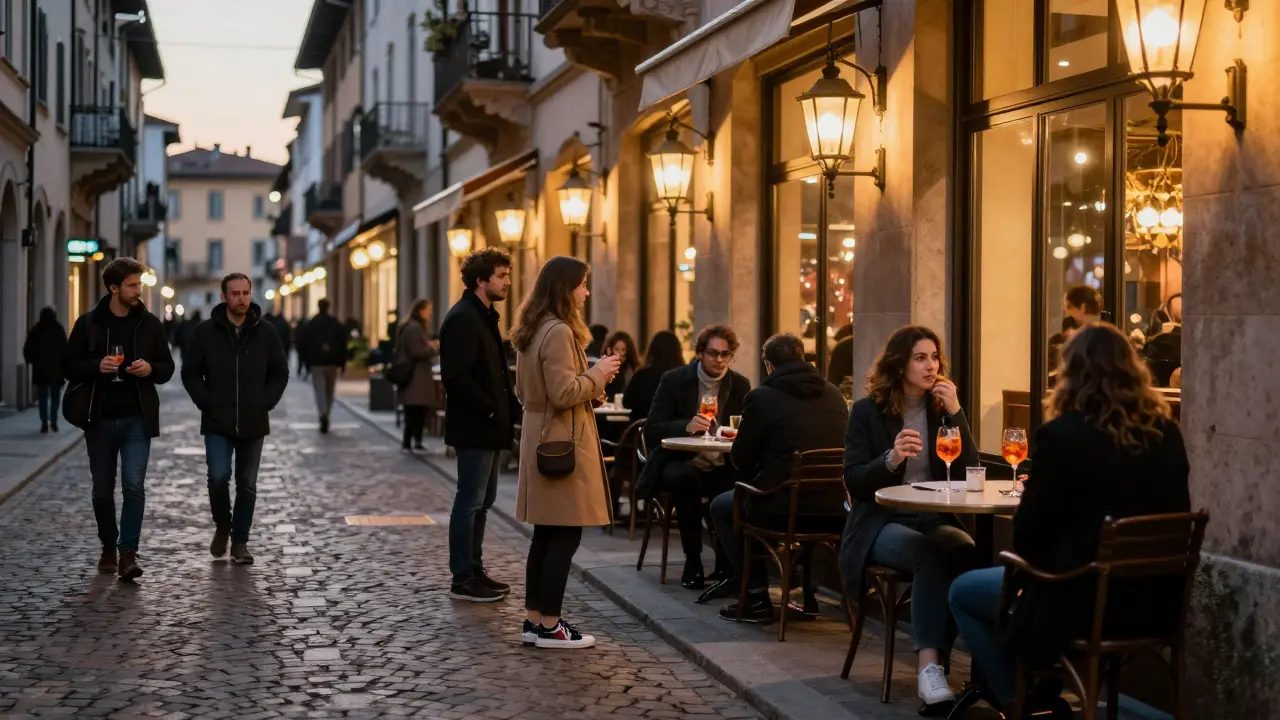
Milan doesn’t sleep - it just changes outfits.
By 11 p.m., the streets around Milan’s Brera district are buzzing with people in sharp coats and designer sneakers. By 2 a.m., the bass from a hidden club in Porta Venezia is shaking the windows of old 19th-century buildings. By 5 a.m., you’re sipping an espresso next to a group of fashion designers who just danced for six hours straight. This isn’t a fantasy. This is Milan’s nightlife - sleek, spontaneous, and seriously well-dressed.
Forget what you think you know about Italian nightlife. Milan doesn’t do slow, candlelit dinners that stretch into the night. It does high-energy, fashion-forward, after-hours experiences that start when other cities are winding down. The city’s nightlife isn’t just about drinking - it’s about being seen, heard, and moving with the rhythm of a metropolis that invented modern style.
Where the locals go after dark
If you want to party like a Milanese, skip the tourist traps. The real scene isn’t on the main square. It’s tucked into back alleys, hidden courtyards, and converted warehouses. Start in Brera. By dusk, this artsy neighborhood turns into a cocktail crawl. Bars like Bar Basso (famous for inventing the Negroni Sbagliato) draw crowds with vintage decor and mixologists who treat drinks like art. Don’t expect loud music here - this is where you sip, chat, and watch the world go by in slow motion.
Once you’ve had your aperitivo, head to Porta Venezia. This multicultural district is where Milan’s youth, artists, and LGBTQ+ crowd gather. Bar Basso might be the classic, but La Cucina di Nonna is where the real party starts. It’s a tiny bar with a backroom that turns into a dance floor after midnight. No sign. No bouncer. Just a door with a red light. You’ll know you’re in the right place when you hear the first beat of house music.
The clubs that define Milan’s sound
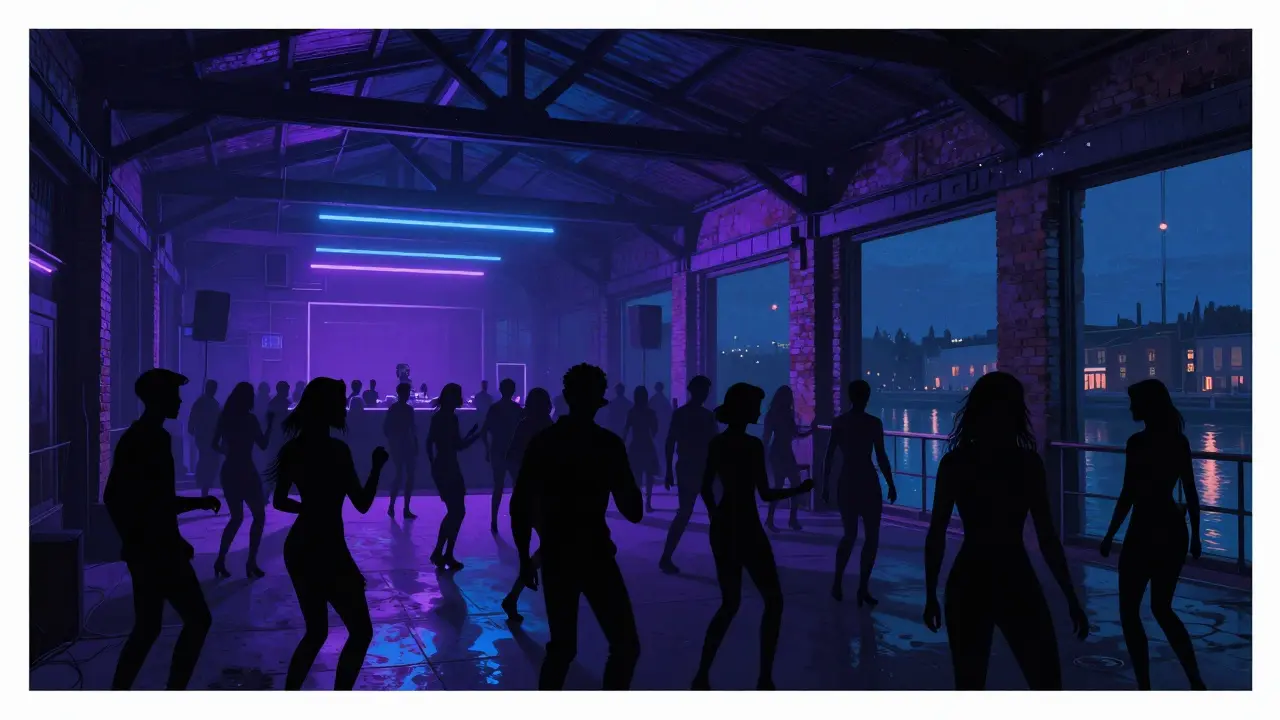
Milan’s club scene is split between underground spots and sleek, high-end venues. For the real underground, Ex Dogana is the place. Housed in a former customs warehouse near the Navigli canals, it’s open Friday to Sunday until dawn. The sound is deep house and techno, curated by local DJs who’ve played in Berlin and Tokyo. The crowd? Designers, students, musicians, and tourists who know better than to wear heels on concrete floors.
If you want glamour, La Scala isn’t just the opera house - it’s also the name of one of the city’s most exclusive clubs. Located in a converted 1920s theater, it’s the only place in Milan where you’ll see models, influencers, and tech founders all dancing under chandeliers. Entry is strict. No sneakers. No hoodies. No group of five showing up without a reservation. But if you get in, you’re in the heart of Milan’s elite nightlife.
For something more experimental, try Magazzini Generali in the Isola district. This multi-space venue hosts live electronic acts, art installations, and late-night jazz sessions. It’s open until 6 a.m. on weekends, and the vibe is more “creative collective” than “club.” You might end up dancing next to a painter from Bologna or a producer from Seoul. That’s Milan - global, but deeply local.
Aperitivo: The ritual that starts the night
You can’t talk about Milan nightlife without talking about aperitivo. It’s not just happy hour - it’s a cultural institution. Between 6 p.m. and 9 p.m., bars across the city offer drinks (usually a spritz, gin and tonic, or wine) with a full buffet of snacks. Think mini arancini, stuffed olives, crostini, and even pasta salads. At places like Terrazza Aperol in Navigli, the spread is so good you could call it dinner.
The trick? Go early. By 7:30 p.m., the best spots are packed. And don’t expect to sit down. Most aperitivo spots are standing-room-only. That’s part of the charm. You’re not there to eat - you’re there to mingle, meet someone, and start the night right. Pro tip: Order a Spritz (Aperol, prosecco, soda, and an orange slice). It’s the official drink of Milan after work.
What to wear - and what to leave at home
Milan doesn’t care if you’re rich. But it does care if you look like you tried.
For clubs like La Scala or Magazzini Generali, dress like you’re going to a gallery opening - not a concert. Dark jeans, a tailored jacket, clean sneakers or loafers. No logos. No baseball caps. No flip-flops. Ever.
For bars like Bar Basso or Terrazza Aperol, smart casual works. A nice blouse or button-down, dark trousers, and polished shoes. You’ll see people in silk scarves and leather boots. That’s not show-off - that’s just how they live.
And here’s the rule no one tells you: If you show up in a hoodie and sneakers after 10 p.m., you’ll get turned away from half the clubs. Not because they’re snobby - because they’ve learned from experience. Milan’s nightlife is curated. Your outfit is your invitation.
When to go - and when to stay home
Weekends are the only real nights to go out. Thursday is for early risers - bars get busy after 10, but the party doesn’t peak until Friday. Saturday is the big one. Clubs fill by midnight. Sunday? Still alive. Many clubs stay open until 6 a.m., and the crowd thins out just enough to dance without shoulder-to-shoulder chaos.
Monday through Wednesday? Stick to bars. The clubs are closed. But if you want to feel the pulse of the city, head to Navigli on a Wednesday night. The canals are lit, the boats are moored, and the street musicians start playing at 8 p.m. It’s quiet, romantic, and the perfect way to ease into the weekend.
Avoid Friday night if you’re not ready for crowds. The city empties out on Sunday morning - you’ll see people walking home in the same clothes they wore the night before, holding coffee and laughing about the last song they danced to.
Hidden gems you won’t find on Google Maps
Some of the best spots in Milan don’t have websites. They don’t have Instagram accounts. You hear about them from a friend of a friend.
Club 21 is a speakeasy hidden behind a refrigerator door in a basement near Corso Como. You need a password - and you get it by texting a number you’re given by the bartender at Bar Basso. Inside, it’s dim, cozy, and plays only vinyl from the 80s and 90s. No phones allowed. Just music, conversation, and one perfectly made martini.
La Casa del Jazz in the Lambrate district is a tiny jazz bar that opens at 10 p.m. and doesn’t close until the last musician leaves. No cover charge. No reservations. Just a single room with mismatched chairs, a grand piano, and a crowd that listens - really listens - to every note.
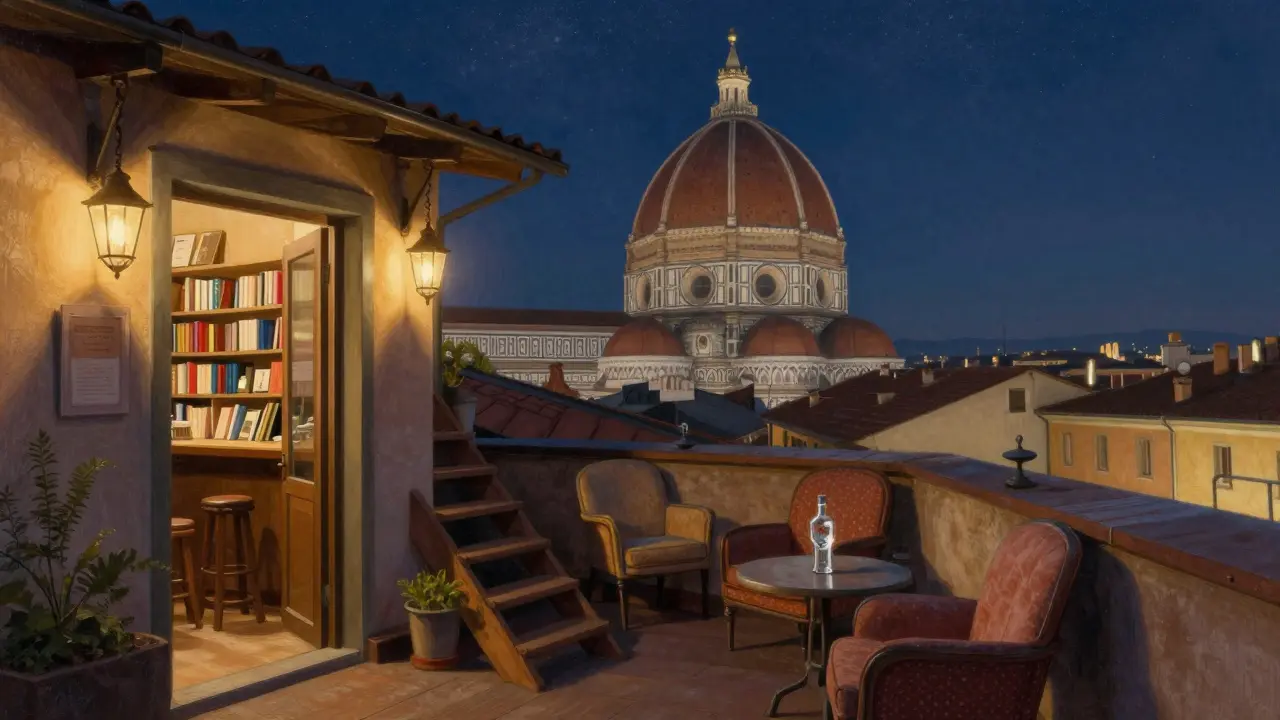
And then there’s La Stanza Segreta - a rooftop bar above a bookstore in Brera. You find it by climbing a narrow staircase behind the fiction section. The view of the Duomo at night? Unbeatable. The drink menu? Only three options. All made with local gin. And the vibe? Like you stumbled into someone’s secret living room.
How to get around - and stay safe
Milan’s public transport runs until 1:30 a.m. on weekdays and 2:30 a.m. on weekends. After that, you’ll need a taxi or rideshare. Uber isn’t big here - use Free Now or Beat instead. They’re cheaper and more reliable.
Most nightlife districts are walkable, but don’t wander alone after 3 a.m. Stick to well-lit streets. The city is safe, but even the best places have quiet corners. If you’re heading to Navigli or Isola late, go with a group. You’ll see locals doing the same.
And always carry your ID. Even if you look 25, clubs will ask for it. No exceptions.
Final tip: Don’t rush it
Milan’s nightlife isn’t about hitting five clubs in one night. It’s about letting the night unfold. Start with aperitivo. Move to a bar. Dance until 2 a.m. Then find a quiet spot for coffee and a cigarette. The best memories aren’t made in the loudest room - they’re made in the quiet moments between songs, when you realize you’ve just spent the night with strangers who feel like friends.
This city doesn’t party to escape. It parties to feel alive. And if you let it, Milan will show you how.
What time do clubs in Milan usually open?
Most clubs in Milan open around midnight, but the real energy doesn’t kick in until 1 a.m. or later. Bars and aperitivo spots start filling up at 6 p.m., and by 10 p.m., the city is fully awake. Don’t expect to find a packed dance floor before 1 a.m. - Milanese nightlife moves slowly at first, then explodes.
Is Milan nightlife expensive?
Aperitivo drinks cost between €10 and €15, and include food. Club entry fees range from €10 to €25, depending on the venue and night. High-end clubs like La Scala may charge up to €30. Drinks inside clubs are €12-€18. It’s pricier than other Italian cities, but you’re paying for the vibe, the music, and the crowd - not just a drink.
Can I go out in Milan without speaking Italian?
Yes. Most bartenders and club staff in popular areas speak English, especially in Brera, Porta Venezia, and Navigli. Signs are often bilingual. But learning a few phrases - “Un aperitivo, per favore,” “Quanto costa?” - goes a long way. Locals appreciate the effort, and it helps you connect faster.
What’s the dress code for Milan clubs?
Smart casual to upscale. No sneakers, hoodies, or baseball caps in most clubs. Dark jeans, a nice top or shirt, and clean shoes work for most places. For exclusive venues like La Scala, a blazer or dress is expected. When in doubt, dress like you’re going to a gallery opening - not a concert.
Are there any all-night parties in Milan?
Yes. Clubs like Ex Dogana and Magazzini Generali stay open until 6 a.m. on weekends. Some underground spots run until sunrise with no set closing time. If you’re looking for an all-nighter, aim for Friday or Saturday. Sunday mornings in Milan often start with coffee after dancing - not sleep.
What’s the best night to experience Milan’s nightlife?
Saturday is the peak night - full clubs, the best DJs, and the most energy. But Friday is just as good and slightly less crowded. If you want something quieter, try Wednesday night in Navigli - it’s romantic, local, and perfect for a slow start. Avoid Monday and Tuesday - most clubs are closed.