Milan doesn’t sleep when the sun goes down. While most tourists think of fashion shows and Leonardo da Vinci’s Last Supper, the real pulse of the city beats after 10 p.m. You won’t find chain clubs or tourist traps here-you’ll find hidden jazz lounges, rooftop bars with skyline views, and local hangouts where Milanese people actually unwind. This isn’t just a list of places to drink. It’s a map to the city’s soul after hours.
Start in Navigli: The Canals Come Alive
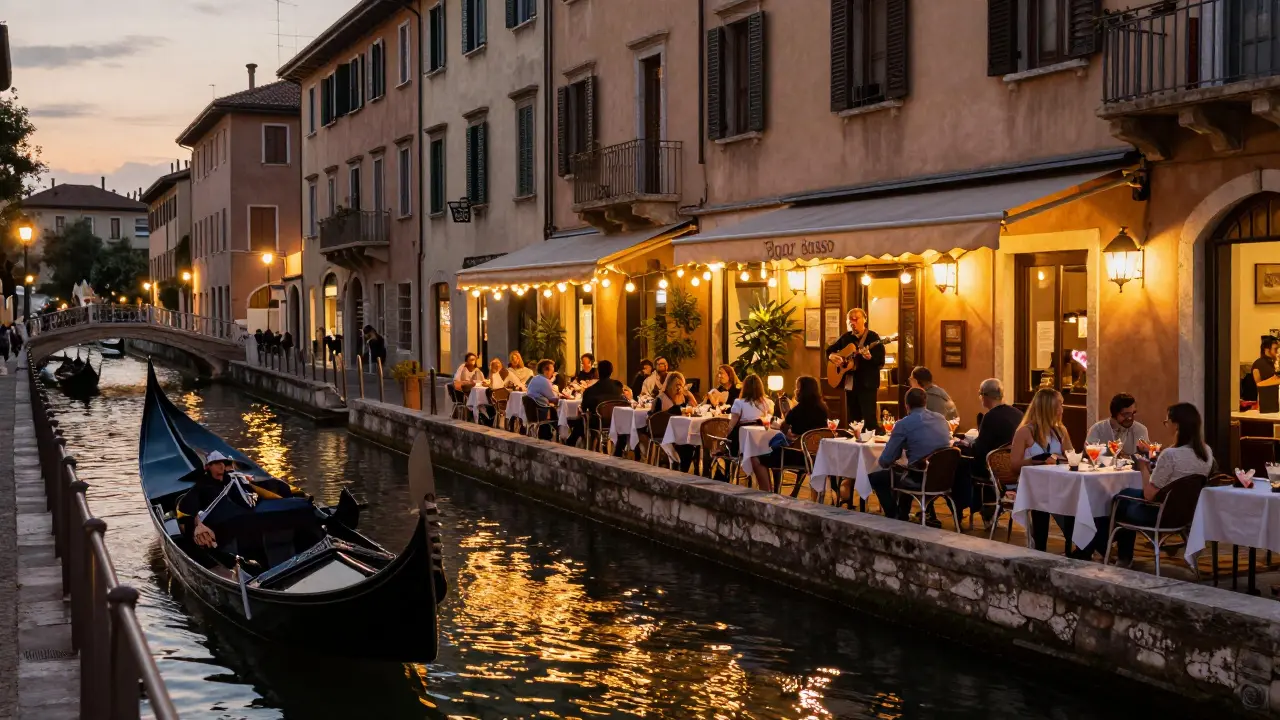
By 9 p.m., the Navigli district transforms. Once a quiet network of canals used for transporting goods, it’s now the heart of Milan’s social scene. The canals are lined with outdoor tables, string lights, and live music spilling from open doors. Start at Bar Basso, famous for inventing the Negroni Sbagliato in the 1970s. It’s small, unassuming, and packed with locals who’ve been coming for decades. Order the cocktail, sit outside, and watch the boats drift by.
Walk west along the Naviglio Grande. You’ll pass La Cucina del Naviglio, a wine bar with over 200 Italian labels, and Il Baretto, where DJs spin indie rock and electronic beats past midnight. Don’t miss La Baita-a converted warehouse with a beer garden, vinyl records spinning, and a crowd that’s all under 35. It’s not flashy, but it’s authentic.
Brera: Where Art Meets After-Dark
Brera feels like a village inside the city. Cobblestone streets, historic buildings, and velvet curtains. This is where Milan’s creatives-designers, writers, musicians-go to talk, not just drink. Bar Basso has a sister spot here called Bar Basso Brera, a cozy, dimly lit bar with a secret back room where jazz trios play on weekends. No sign. Just ask for the “hidden door.”
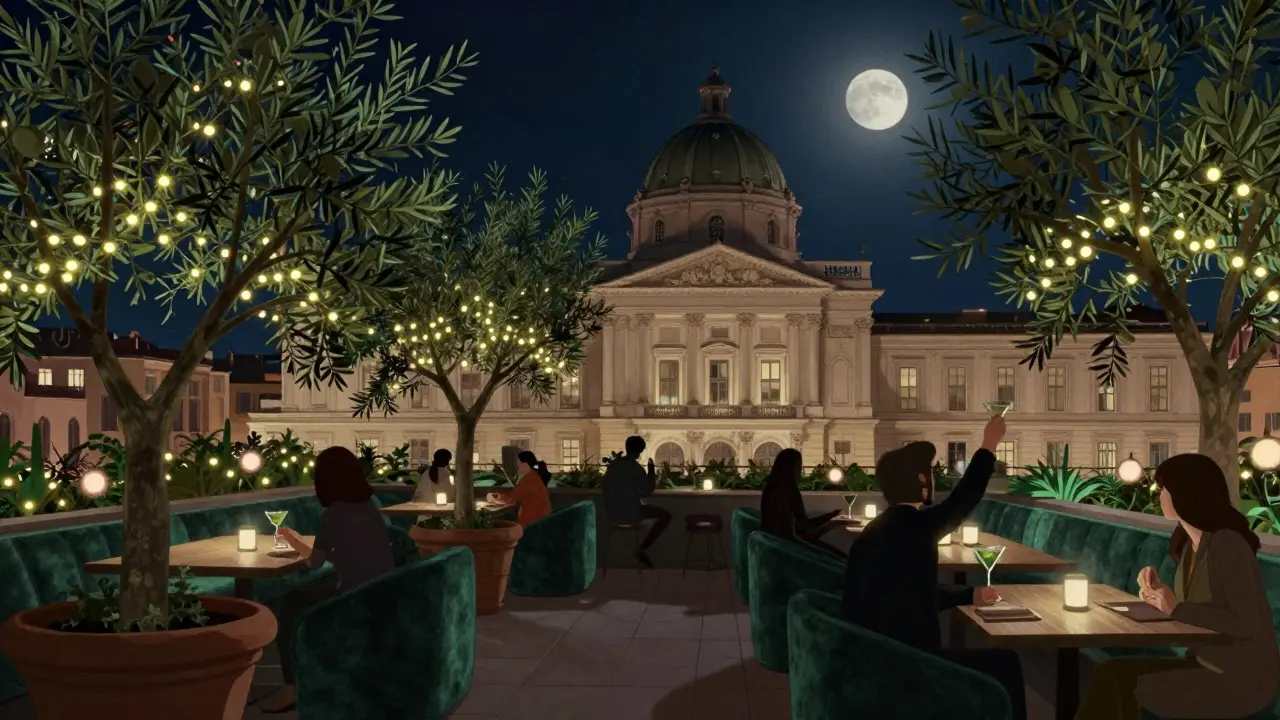
For something different, head to Le Jardin de Brera. It’s a rooftop garden with fairy lights, potted olive trees, and cocktails named after Italian poets. The view of the Brera Art Gallery lit up at night is worth the €12 cover charge. Bring a jacket-it gets chilly after 11 p.m.
Porta Venezia: The Underground Scene
If you’re looking for something edgy, head to Porta Venezia. This neighborhood is Milan’s answer to Berlin’s club culture. It’s diverse, loud, and unapologetic. La Scala Club isn’t the opera house-it’s a warehouse-turned-club that hosts techno nights every Friday. The sound system is built for bass, and the crowd doesn’t care if you’re dressed up or in jeans.
Down the street, Bar Zeta is a queer-friendly space with drag shows on Saturdays and live punk bands on Thursdays. The walls are covered in graffiti, the drinks are cheap (€5 for a craft beer), and the energy is electric. This isn’t a place to be seen-it’s a place to feel something.
Corso Como: Chic and Exclusive
Corso Como is where Milan’s elite unwind. It’s not about volume-it’s about vibe. The area centers around Corso Como 10, a design hotel with a private club on the top floor. You can’t just walk in-you need an invitation or a reservation. But you can still enjoy the scene at Bar Luce, a café designed by Wes Anderson. It’s open until 2 a.m., and the espresso is strong enough to keep you going.
For a more accessible option, try La Perla, a cocktail bar with a 1950s Italian movie aesthetic. The bartenders know every classic recipe by heart. Try the Aperol Spritz made with Prosecco from Veneto and a splash of orange bitters. It’s not on the menu-they’ll make it if you ask.
What to Do After the Clubs Close
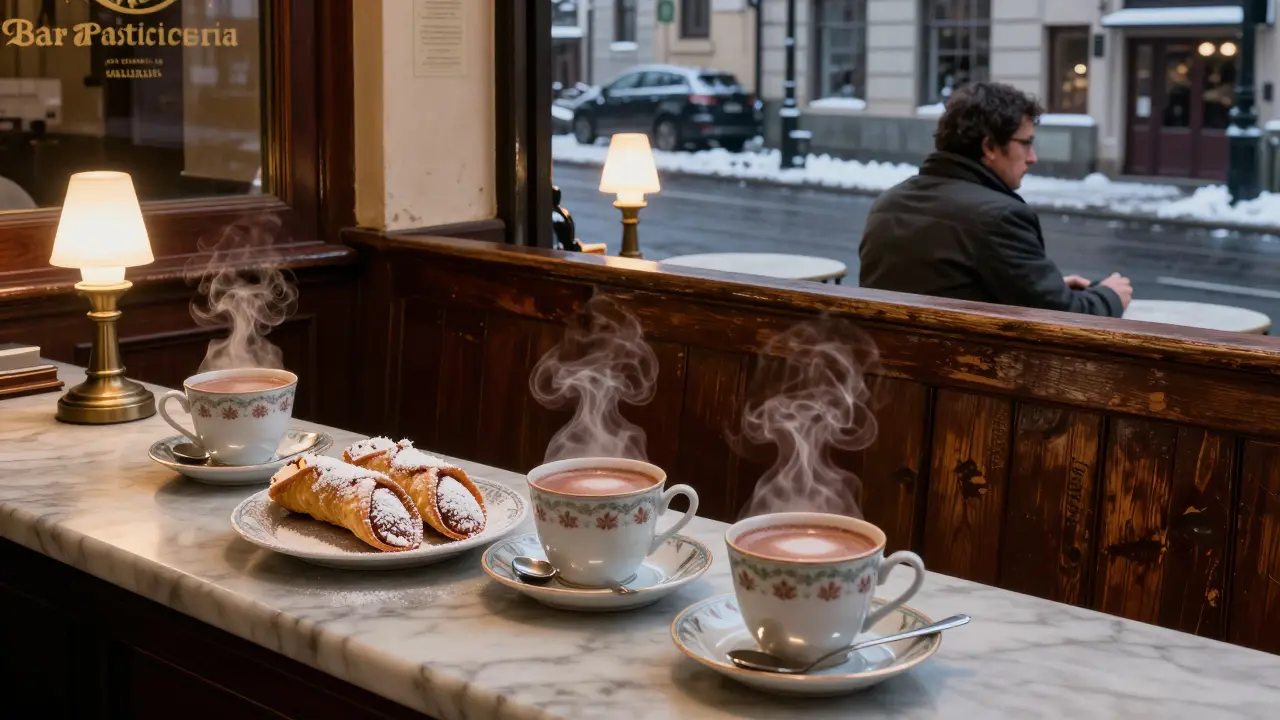
Milan’s nightlife doesn’t end at 3 a.m. If you’re still awake, head to Bar Pasticceria Cucchi in the city center. Open since 1920, it serves hot chocolate with whipped cream and cannoli until 5 a.m. Locals call it the “last stop before sunrise.” It’s the perfect place to reflect on the night-or plan the next one.
Or, if you’re feeling adventurous, take a midnight walk through Parco Sempione. The city’s largest park is quiet after dark, with street lamps casting long shadows. You might find a group of musicians playing acoustic covers under the Arch of Peace. It’s free, unexpected, and deeply Milanese.
When to Go and What to Wear
Milanese nightlife runs on two rhythms: weekday nights are relaxed, weekend nights are intense. Tuesday and Wednesday are ideal for bars like Bar Basso or Le Jardin-less crowded, better service. Friday and Saturday? Expect lines. Arrive before 11 p.m. or be ready to wait.
Dress code? Smart casual. No sneakers. No baseball caps. Even in Porta Venezia, people dress with intention. A well-fitted jacket, dark jeans, and clean shoes will get you in everywhere. Women wear dresses or tailored pants. Men skip the hoodie. This isn’t Vegas-it’s Milan.
Local Tips You Won’t Find on Google
- Most bars don’t have Wi-Fi. That’s intentional. You’re here to talk, not scroll.
- Don’t order a “vodka soda.” It’s not on the menu. Ask for “vodka con soda” and they’ll make it right.
- Tip 10% if you’re happy with service. It’s not expected, but it’s appreciated.
- After 2 a.m., taxis are hard to find. Use FreeNow or Uber-don’t rely on street hails.
- Some clubs require ID. Even if you look 30, bring your passport. Italian law is strict.
Where to Skip
Stay away from the area around Piazza Duomo after 10 p.m. It’s packed with tourists, overpriced drinks, and fake “Italian” cocktails. The same goes for the mall-based clubs near Porta Romana-they’re designed for visitors, not locals.
Also avoid “all-night” parties advertised on Instagram. Most are pop-ups that vanish after one weekend. Stick to places with real history, real regulars, and real music.
Final Night: A Perfect Milanese Evening
Here’s how to spend one perfect night:
- Start at Bar Basso in Navigli at 9 p.m. with a Negroni Sbagliato.
- Walk to La Cucina del Naviglio at 10:30 p.m. for a glass of Barolo and a plate of mortadella.
- Head to La Baita at 12 a.m. for a beer and live music.
- Move to Le Jardin de Brera at 1 a.m. for rooftop views and a final cocktail.
- End at Bar Cucchi at 4 a.m. with hot chocolate and cannoli.
That’s Milan. Not loud. Not flashy. But unforgettable.
Is Milan nightlife safe at night?
Yes, Milan is one of the safest major European cities after dark. The Navigli and Brera districts are well-lit and patrolled. Stick to busy areas, avoid isolated alleys, and don’t carry large amounts of cash. Like any city, use common sense-don’t follow strangers, don’t leave drinks unattended, and trust your gut. Most incidents involve tourists who wander too far from the main streets.
Do I need to book tables in advance?
For popular spots like Bar Basso, Le Jardin de Brera, or La Perla, yes-especially on weekends. Call ahead or book online. Smaller bars like La Baita or Bar Zeta don’t take reservations, but they’re less crowded on weekdays. If you’re planning a group outing, book at least 48 hours in advance.
What’s the average cost of a night out in Milan?
A casual night out costs €30-€50 per person: €12-€15 for two cocktails, €10-€15 for snacks, and €5-€10 for transport. If you’re hitting upscale spots like Corso Como 10, expect €70-€100. Club entry fees range from €10 to €25. Most places accept cards, but carry €20-€30 in cash for small bars or tips.
Are there English-speaking staff in Milan’s bars?
In tourist-heavy areas like Navigli and Brera, yes. Most bartenders speak basic English. In underground spots like Porta Venezia, staff might not, but that’s part of the charm. Learn a few Italian phrases-"Un Aperol, per favore"-and you’ll get better service. Italians appreciate the effort.
What’s the best time of year for Milan nightlife?
May through September is peak season. The weather is warm, outdoor seating is open, and festivals like Milano Design Week bring in crowds. October and April are quieter but still lively. Winter nights are cold, but indoor bars like Bar Basso and La Perla stay packed. Avoid August-most locals are on vacation, and many places close.
Can I find vegan or vegetarian options in Milan’s nightlife spots?
Absolutely. Milan is one of the most vegan-friendly cities in Europe. Most bars in Navigli and Brera offer plant-based snacks-think stuffed peppers, vegan arancini, or chickpea fritters. La Baita has a full vegan menu. Even traditional spots like Bar Cucchi serve vegan cannoli made with almond milk cream. Don’t hesitate to ask-most places are happy to accommodate.