London doesn’t sleep when the sun goes down - especially if you’re someone who craves art, conversation, and atmosphere over loud music and crowded dance floors. Forget the usual club scene. The real pulse of London’s nightlife for art lovers beats in dimly lit galleries, hidden jazz lounges, and galleries that stay open past midnight. This isn’t about partying. It’s about experiencing art as a living thing - where paintings talk, sculptures watch, and music drifts through rooms like brushstrokes in the air.
Where Art Comes Alive After Dark
Most people think of Tate Modern or the National Gallery when they imagine London’s art scene. But those places close by 6 p.m. The real magic happens elsewhere. Take Camden Art Centre, for example. On Friday nights, it throws open its doors until 1 a.m. with live performances, artist talks, and free wine. No tickets needed. Just show up. You’ll find painters sketching on the walls, poets reading in the sculpture garden, and strangers debating the meaning of a single canvas over cheap gin and tonics. It’s not curated for tourists. It’s for people who want to feel the art breathe.
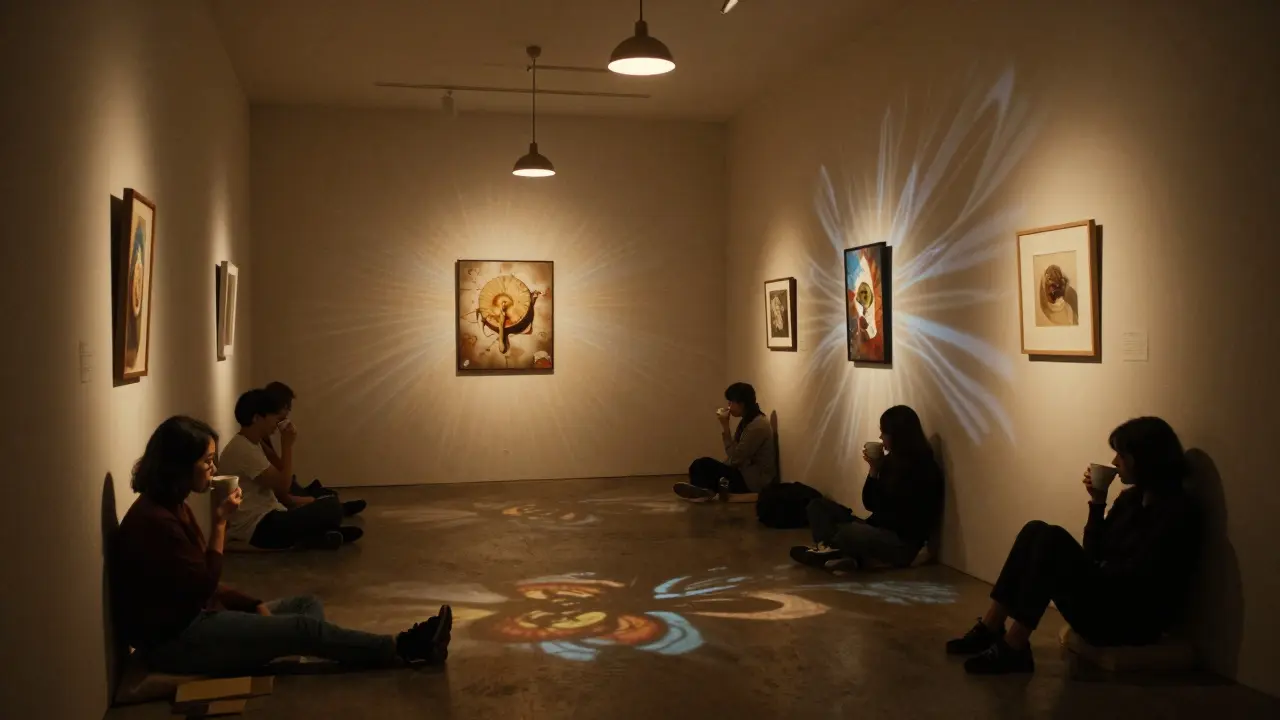
Down in Peckham, Rye Lane’s Night Gallery has become a cult favorite. Open every Thursday to Saturday until 2 a.m., it’s a converted 1970s cinema with projection screens showing experimental films looped all night. The walls are covered in rotating installations from emerging artists - no labels, no explanations. You’re meant to sit on the floor, sip tea from ceramic mugs, and let the images sink in. One regular told me he comes every week just to stare at the same 30-second video of rain hitting a mirror. He says it changes how he sees his own life.
The Jazz Clubs That Double as Art Galleries
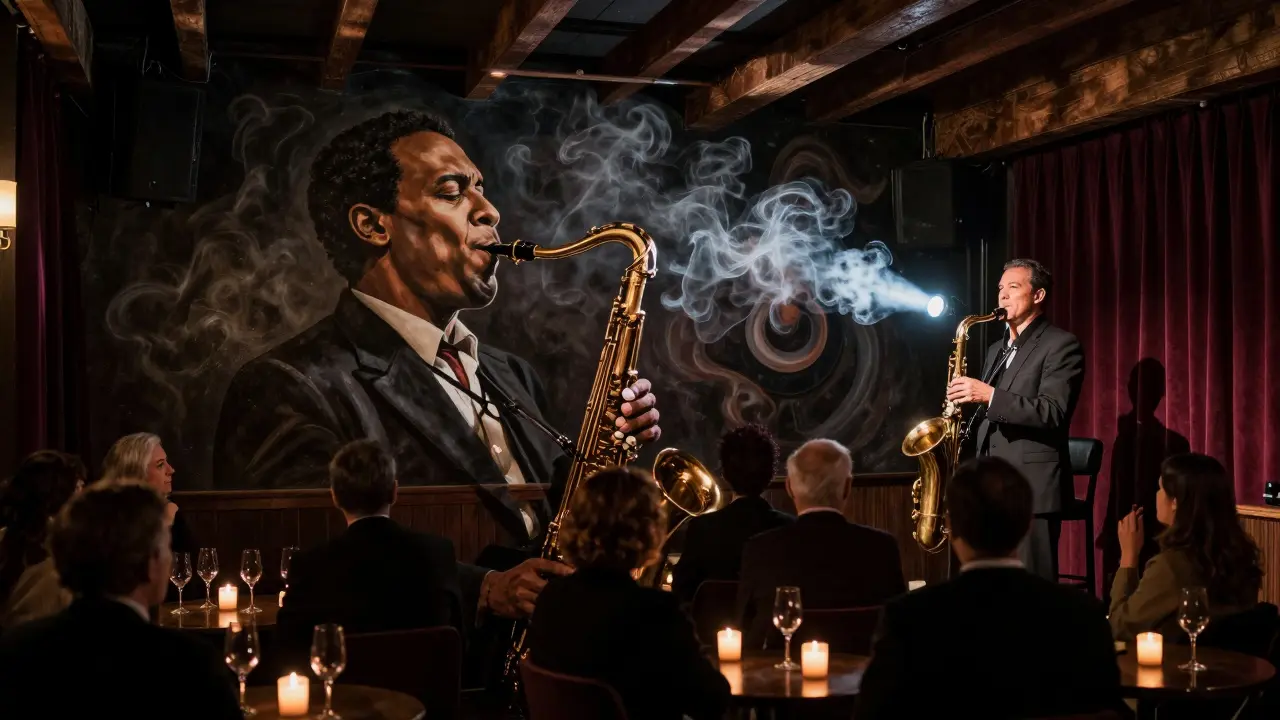
London’s jazz scene has always been tied to visual art. But now, some clubs are merging the two in ways you won’t find anywhere else. The Vortex in Dalston doesn’t just host live jazz - it commissions artists to create murals that change with each month’s lineup. In February, a painter covered the entire back wall with a slow-motion depiction of a saxophone player’s breath turning into smoke. Patrons sat in silence for 20 minutes before the first note was played. No one clapped. They just watched.
Then there’s Jazz Café in Camden, which now runs a weekly Art & Improv night. Musicians play free-form jazz while painters work on large canvases in real time. The art is auctioned off at the end of the night, with proceeds going to the artists. You can walk in at 9 p.m. and leave with a painting you bought because it made you cry. Last month, a 22-year-old student from Nigeria sold a piece for £1,200 that she’d painted while listening to a trumpet solo. She said the music made her feel like she was flying.
Gallery Openings That Last All Night
Forget the stiff, silent openings with canapés and champagne. London’s most exciting art events now happen when the city’s usual crowds have gone home. The East London Art Walk happens once a month, usually on the last Friday. Over 30 independent galleries - many tucked into basements, shipping containers, and old laundromats - open their doors from 8 p.m. to 3 a.m. You’ll find artists serving homemade soup while explaining their work. No velvet ropes. No security guards. Just people talking about color, texture, and emotion.
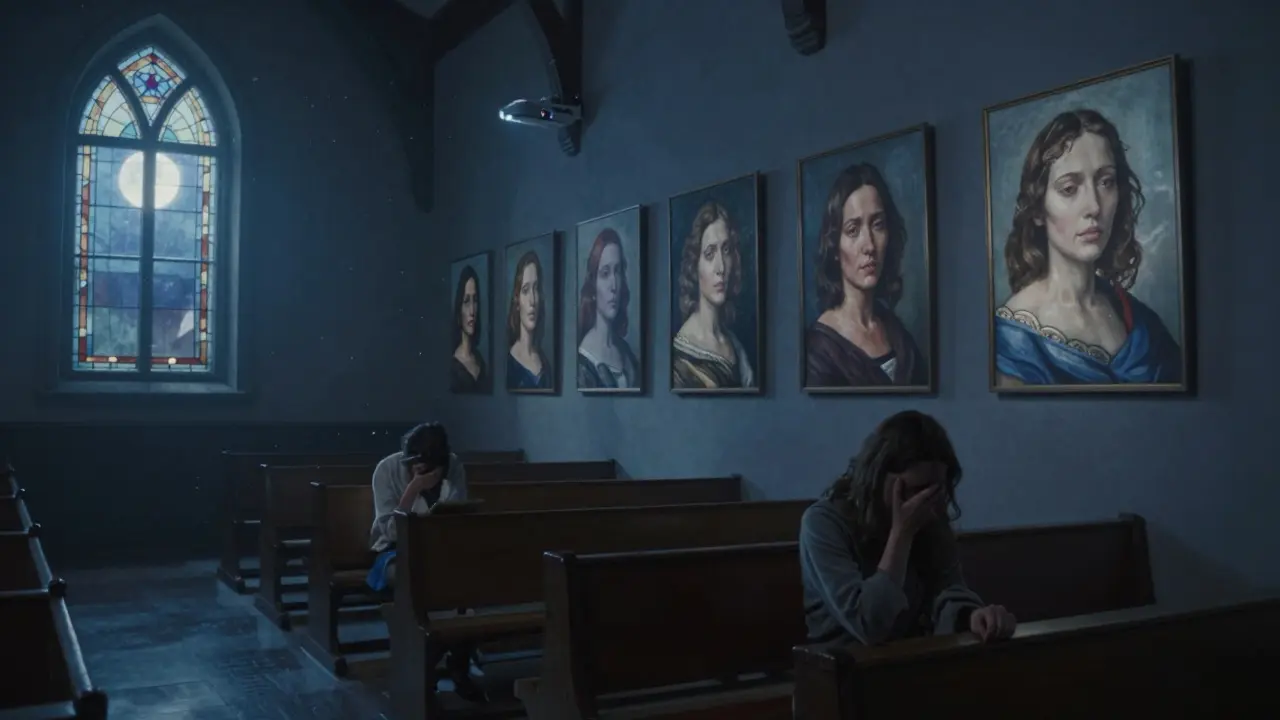
One standout is Project Space 47 in Hackney. It’s a former church basement with stained-glass windows and a single projector. Last month, they showed a 12-hour loop of a woman slowly painting the same portrait 100 times. Each version got a little darker. People came and went. Some stayed all night. One woman said she cried at the 87th version. She didn’t know why. She just knew it felt like grief.
Art Bars You Can’t Miss
Some bars in London don’t just serve drinks - they serve art. Barbican’s The Curve is a minimalist space with a rotating collection of digital art projected onto its walls. The drinks are named after artists: “Pollock’s Pour” (a blueberry mezcal cocktail), “Kusama’s Infinity” (a glowing pink gin fizz). The bartenders know every piece on display. Ask them about the one that’s been up for three months - a flickering video of hands writing letters that never arrive. They’ll tell you it’s based on real letters sent from refugees during the 2022 crisis.
Then there’s The Drawing Room in Soho. It’s a 1920s-style speakeasy where every cocktail comes with a small, hand-drawn sketch by a local artist. You don’t know what you’ll get until you drink it. Some sketches are funny. Some are haunting. One regular collects them in a journal. He’s got 87 now. The 88th was a tiny drawing of a key. He still hasn’t figured out what it opens.
Where to Find Quiet Moments
Not every night needs noise. Sometimes, art is best felt alone. St. John’s Church in Shoreditch turns into a silent art space every Wednesday night. No music. No crowds. Just dim lighting, a few sculptures, and a single poem read aloud by a volunteer at midnight. People sit on wooden benches. Some cry. Some don’t. No one talks. It’s been running since 2020. Over 12,000 people have visited. No one has ever asked why.
Another quiet gem is the Southbank Centre’s Sky Garden after hours. On select nights, it opens to the public for silent viewing of light installations. You can stand under a floating orb of projected stars, watch shadows of dancers move across the glass, and feel the city hum beneath you. It’s free. You need to book 48 hours ahead. But once you’re up there, with the Thames glowing below and no one else around, you’ll understand why it’s called London’s secret sanctuary.
What Makes This Scene Different
This isn’t just a list of places. It’s a shift in how art is experienced. In London, art isn’t something you observe behind glass. It’s something you sit with. You drink it. You sleep in it. You carry it home in your pocket. The city’s art scene has stopped pretending it’s elite. It’s inviting you in - messy, quiet, loud, confused, and beautiful.
You won’t find a map for this. No app. No guidebook. The best way to find it? Walk in without a plan. Talk to the artist who’s pouring your drink. Ask the person next to you what they saw. Let the art surprise you. That’s how it’s meant to be.
Are these venues safe for solo visitors at night?
Yes. Most of these places are run by artists, not commercial operators, and prioritize community safety. They have low lighting, clear exits, and staff who know everyone who comes in. Many are located in well-lit, walkable neighborhoods like Peckham, Dalston, and Hackney. Solo visitors - especially women and LGBTQ+ individuals - report feeling more welcome here than in traditional nightlife spots.
Do I need to pay to enter these places?
Most don’t charge entry. Some, like the East London Art Walk, are completely free. A few, like the Jazz Café’s Art & Improv nights, operate on a donation basis - £5 to £10 helps cover costs. Bars like The Curve charge for drinks, but not to get in. If you’re asked for money upfront, it’s probably not part of this scene.
When is the best time to visit for the full experience?
Late Friday and Saturday nights are peak times, especially for gallery openings and live art. But if you want the quietest, most intimate moments, aim for Wednesday or Thursday. That’s when the spaces are less crowded, the artists are more available to talk, and the energy is calmer. The Silent Art Nights at St. John’s Church are only on Wednesdays.
Can I bring my own art to show?
Absolutely. Many venues welcome unsolicited submissions. The Drawing Room in Soho accepts small sketches on paper - they display them on a rotating wall. Camden Art Centre invites artists to pitch ideas for their late-night events. You don’t need to be famous. You just need to be honest. The most powerful pieces shown there were made by people who had never exhibited before.
Is this scene changing because of AI and digital art?
Yes, but not in the way you might think. AI-generated art is shown, yes - but rarely as the main attraction. What’s growing is the use of AI as a tool to create live, evolving art. At The Curve, one installation uses AI to generate new poetry based on the emotions of the crowd, projected in real time. But the human element remains central. The art still needs someone to sit with it, to feel it. That’s what keeps this scene alive.
What to Do Next
Start with one place. Pick a Friday night. Go to Camden Art Centre. Stay for the wine. Talk to the person next to you. Let yourself be curious. Don’t try to see everything. Let one piece, one sound, one moment stay with you. That’s how this scene works. Not by overwhelming you - but by quietly changing you.