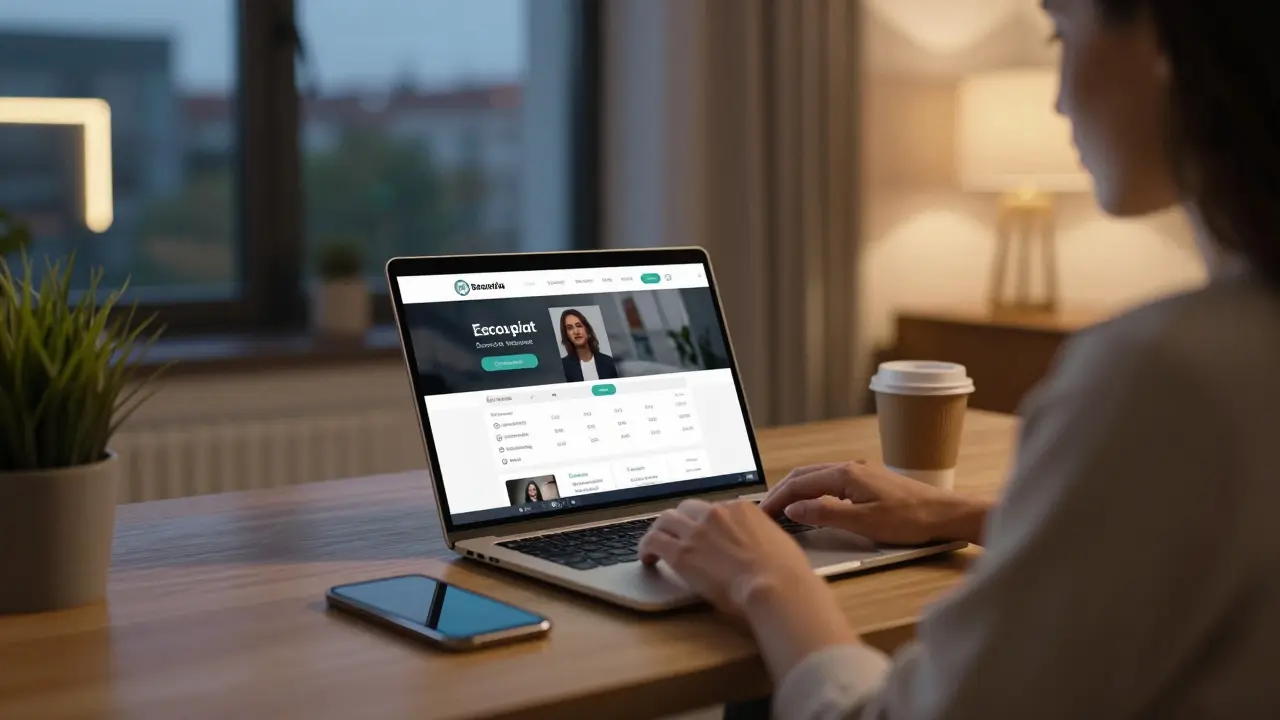
For years, Berlin’s escort industry operated in the shadows-word of mouth, phone calls, flyers in back alleys. But today, if you’re looking for companionship in the city, you’re more likely to open an app than knock on a door. Technology hasn’t just entered the scene; it’s rewritten the rules. From booking platforms to safety tools, digital tools have turned what was once a hidden economy into a streamlined, transparent, and often safer service for both clients and workers.
From Street Corners to Smartphone Apps
In the early 2000s, escorts in Berlin relied on classified ads in local magazines or physical flyers posted near U-Bahn stations. Finding a provider meant calling a number, hoping the person was available, and hoping they were who they claimed to be. Today, apps like EscortList, AdultWork, and local Berlin-specific platforms like BerlinCompanions dominate. These sites let users filter by location, language, price, and even specific interests-all in real time.
Workers create detailed profiles with photos, bios, and availability calendars. Clients can read verified reviews, check service menus, and book appointments instantly. The shift isn’t just about convenience-it’s about control. Escorts now set their own hours, rates, and boundaries without needing intermediaries. Many no longer work through agencies at all. A 2024 survey by Berlin’s Sex Workers’ Collective found that 78% of independent escorts in the city now use apps as their primary client source.
Safety Tools Built Into the System
One of the biggest changes technology brought wasn’t about sales-it was about survival. In a city where sex work remains legally gray, safety has become a non-negotiable priority. Apps now include features that didn’t exist a decade ago: anonymous messaging, in-app panic buttons, and verified ID checks.
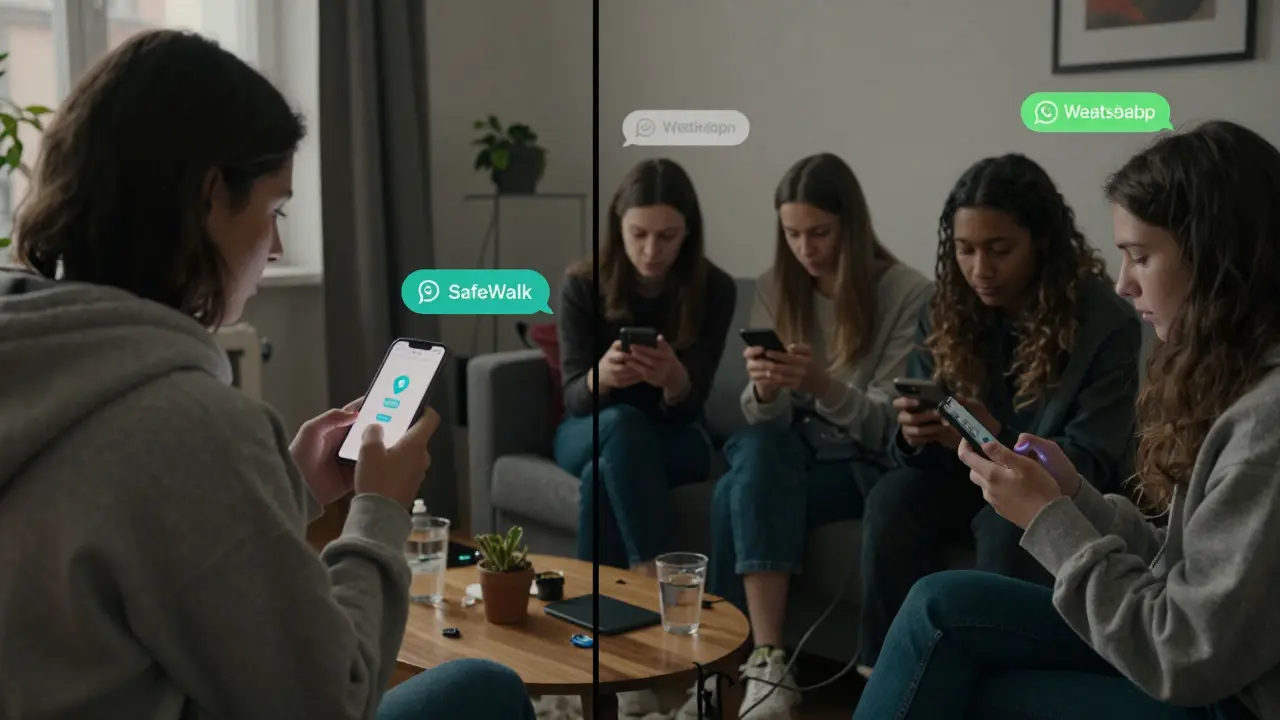
Many platforms now require escorts to upload government-issued ID, which is reviewed by moderators before a profile goes live. Some apps integrate with SafeWalk, a free service that lets users share their location with a trusted contact during appointments. Others offer two-factor authentication for bookings, so clients can’t cancel last-minute without a confirmation code.
There’s also a rise in community-driven safety networks. WhatsApp groups for Berlin escorts share known problematic clients, fake profiles, and scam reports. These aren’t official systems-they’re grassroots, but they’re effective. One escort in Neukölln told me she blocked three clients in a single week after seeing their photos in a group chat. No police report needed. Just shared knowledge.
Payment Systems That Protect Everyone
Cash used to be the only option. That meant escorts carried large sums, faced robbery risks, and had no record of transactions. Now, digital payments are standard. Platforms support encrypted payment gateways like Stripe and PayPal, and many escorts use local German services like Sofort or Giropay to receive payments instantly.
Some even use cryptocurrency for extra anonymity. Bitcoin and Monero transactions are growing in popularity, especially among international clients. This shift has reduced violent crime related to cash handling by an estimated 40% in Berlin’s escort sector, according to a 2025 report by the Berlin Institute for Urban Studies.
And it’s not just about safety-it’s about taxes. With digital payments, many escorts now track income automatically. Some hire freelance bookkeepers through platforms like Fiverr to handle their finances. A few have even started declaring income legally, thanks to clearer digital records.
The Rise of AI and Automation
It’s not just apps and payments. AI is quietly reshaping the industry. Chatbots now handle initial client inquiries on many escort websites, answering common questions about pricing, availability, and services. This saves hours of repetitive messaging for workers.
Some platforms use AI to flag suspicious behavior-like multiple bookings from the same IP address or messages containing known scam phrases. One Berlin-based platform reduced fraud attempts by 65% after implementing AI moderation in 2023.
Even photo editing tools are becoming part of the job. Many escorts use Lightroom or FaceApp to enhance lighting and remove blemishes before uploading profiles. While this isn’t new, the standard for professionalism has risen. Clients expect polished, consistent images-and workers are investing in tools to meet that demand.
Who’s Being Left Behind?
Not everyone benefits equally. Older escorts who aren’t tech-savvy struggle to adapt. Some still rely on word-of-mouth or old-school flyers, and their client base is shrinking. A 2025 study by the Berlin Women’s Network found that escorts over 50 were 3.5 times more likely to report declining income than those under 35.
Foreign workers, especially those without German bank accounts or ID cards, face hurdles too. Many platforms require local verification, which can be impossible for undocumented workers. This pushes them toward unregulated channels-where risks are higher.
And then there’s the cost. Premium listings on top platforms can run €50-€100 per month. For someone working part-time or on tight margins, that’s a big expense. Some escorts now share subscription costs with roommates or form small co-ops to split platform fees.

The Legal Gray Zone Gets More Complex
Berlin doesn’t ban sex work-it regulates it. But tech has made enforcement harder. With profiles spread across dozens of international websites, local authorities can’t monitor them all. The city’s police department has a small unit dedicated to online exploitation, but they’re overwhelmed.
Meanwhile, some platforms have started cooperating with social services. EscortList now partners with Berlin’s outreach programs to offer free legal advice and health screenings to registered workers. It’s not perfect, but it’s progress.
The real challenge? Keeping up. New apps pop up every month. Some are legitimate. Others are fronts for trafficking. Without clear labeling or regulation, it’s hard to tell the difference. That’s why community trust matters more than ever.
What’s Next?
The next wave is voice and video. Some escorts are testing live video consultations to screen clients before meeting. Others use AI-generated voice assistants to handle after-hours inquiries. One Berlin worker started offering virtual companionship-phone calls, video chats-for €20/hour. It’s not physical, but it’s legal, safe, and in demand.
Blockchain-based identity verification is also being tested by a few startups. The idea? A secure, portable digital ID that workers can use across platforms without re-verifying every time. If it works, it could be a game-changer for mobility and privacy.
One thing’s certain: technology isn’t going away. The question isn’t whether Berlin’s escort industry will keep evolving-it’s whether the city’s policies and support systems will keep up.
Is it legal to use escort services in Berlin?
Yes, prostitution is legal in Germany under the Prostitution Act of 2002. Escorts can work independently, advertise services, and enter into contracts. However, third-party exploitation-like pimping or human trafficking-is illegal. Many platforms now require proof of legal status to reduce risks.
How do I know if an escort profile is legitimate?
Look for verified ID badges on platforms, consistent reviews over time, and real-looking photos (not stock images). Avoid anyone who refuses video calls, asks for cash upfront, or pressures you to book quickly. Check community forums or WhatsApp groups where escorts share known scam profiles. Trust your gut-if something feels off, it probably is.
Can I book an escort anonymously?
Most platforms allow anonymous messaging through encrypted in-app chat. You don’t need to share your real name, address, or phone number to book. Some escorts even use virtual numbers for communication. Payments are handled through the platform, so your bank details stay private. Still, avoid sharing personal info outside the app.
Are there apps specifically for Berlin escorts?
Yes. While global platforms like AdultWork and EscortList are popular, local sites like BerlinCompanions and BerlinDates focus on the city’s market. These often have better filters for neighborhoods, languages spoken, and service types. Local platforms also tend to have stronger community moderation and faster response to safety reports.
Do escorts in Berlin pay taxes?
Many do, especially those using digital payment platforms that track income. Since 2020, the German tax office has encouraged self-employed sex workers to register as freelancers. With proper documentation, they can claim business expenses like apps, photo editing software, and transportation. Some now hire tax advisors through platforms like Fiverr to file returns.