Walk through Berlin’s Kreuzberg or Neukölln on a Friday night, and you’ll see it: a gallery opening where the bartender is also a freelance escort, or a performance piece where the lead actor openly discusses their work as a sex worker. This isn’t a coincidence. In Berlin, the line between art and escorting isn’t just blurred-it’s intentionally dismantled.
Art as Survival, Escort as Expression
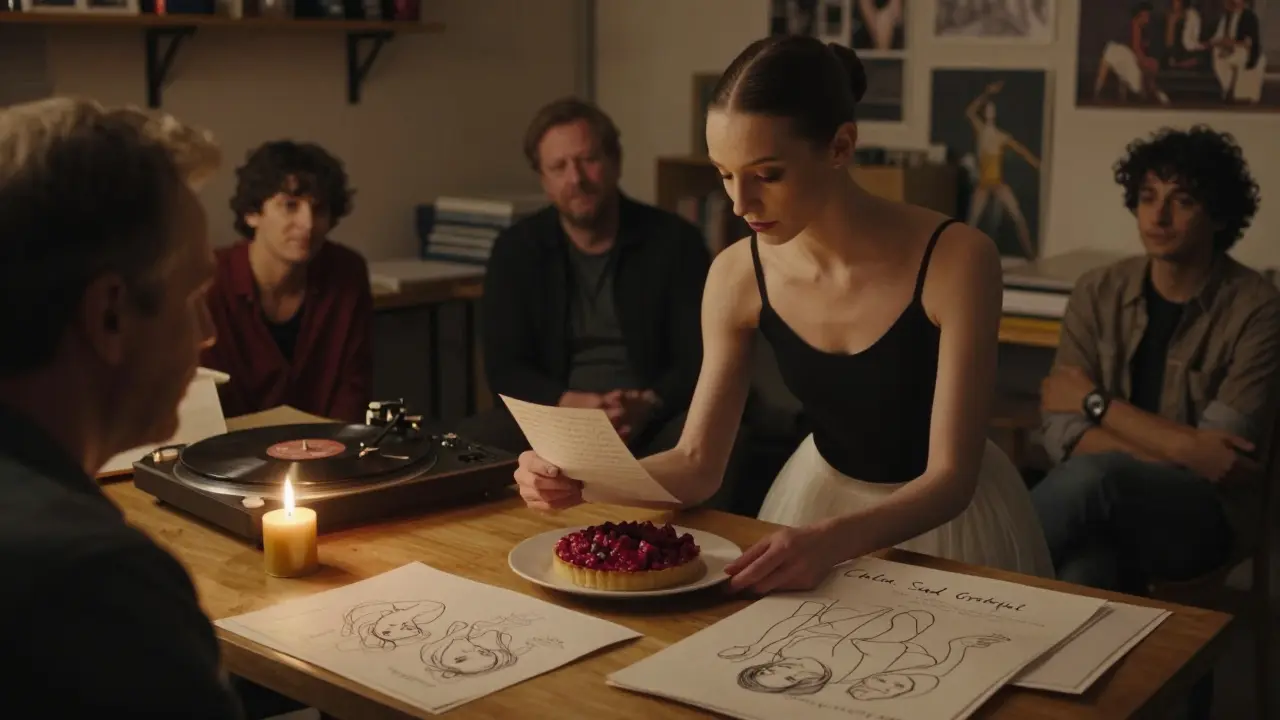
Many people assume that escorting is purely transactional. But in Berlin, it’s often a form of performance art. Take Lena, a 32-year-old former theater student who now works as an independent escort. She doesn’t just offer companionship-she curates experiences. One client might get a private tour of abandoned bunkers with a poetry reading. Another might be treated to a homemade meal while she plays experimental jazz on a vintage vinyl player. Her clients don’t pay for sex. They pay for presence, for atmosphere, for emotional resonance.
This isn’t rare. A 2024 survey of 217 independent sex workers in Berlin found that 68% identified as creatives-artists, musicians, writers, or performers. For them, escorting isn’t a fallback job. It’s a flexible platform to fund their art, to meet people who appreciate nuance, and to turn intimacy into a shared creative act.
The Berlin Underground Scene
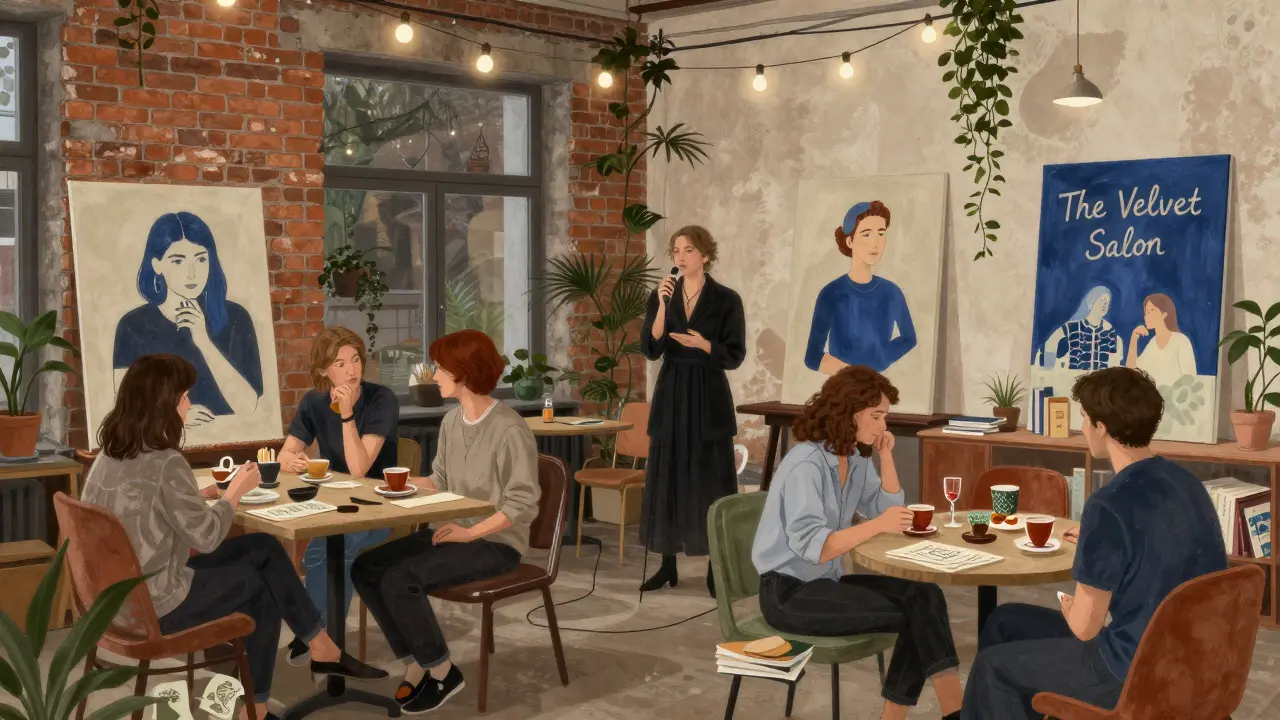
Berlin’s underground art scene has always thrived in gray zones. From the squats of the 1980s to the raves of the 2000s, the city has embraced spaces where norms are questioned. Today, that extends to sex work. Events like “The Velvet Salon”-a monthly gathering in a converted warehouse in Friedrichshain-mix live painting, spoken word, and intimate conversations between artists and clients. No nudity is required. No money changes hands during the event. But the connections formed there? Those are real.
These gatherings are organized by collectives like Art & Consent, a group of former escorts and visual artists who host workshops on boundaries, communication, and emotional labor. One recurring session, called “The Body as Canvas,” invites participants to draw each other’s bodies without judgment. It’s not erotic. It’s human.
Legal Ambiguity as Creative Fuel
Berlin’s laws around sex work are intentionally loose. Prostitution is legal, but brothels are heavily regulated. Independent workers operate in a gray area: no registration required, no mandatory health checks, no police surveillance unless a complaint is filed. This legal ambiguity gives artists freedom. They can work without being labeled, monitored, or forced into corporate structures.
Compare that to cities like Amsterdam or Las Vegas, where sex work is confined to licensed zones and heavily branded. In Berlin, an escort can be a poet who reads at a poetry slam on Tuesdays and a companion who takes someone to a silent film screening on Saturday. The same person. The same identity. No compartmentalization.
Artists Who Were Also Escorts
Historically, Berlin has long blurred these lines. In the 1920s, cabaret performers like Marlene Dietrich and Anita Berber were both artists and sex workers, openly living in the same spaces. Today’s scene echoes that legacy.
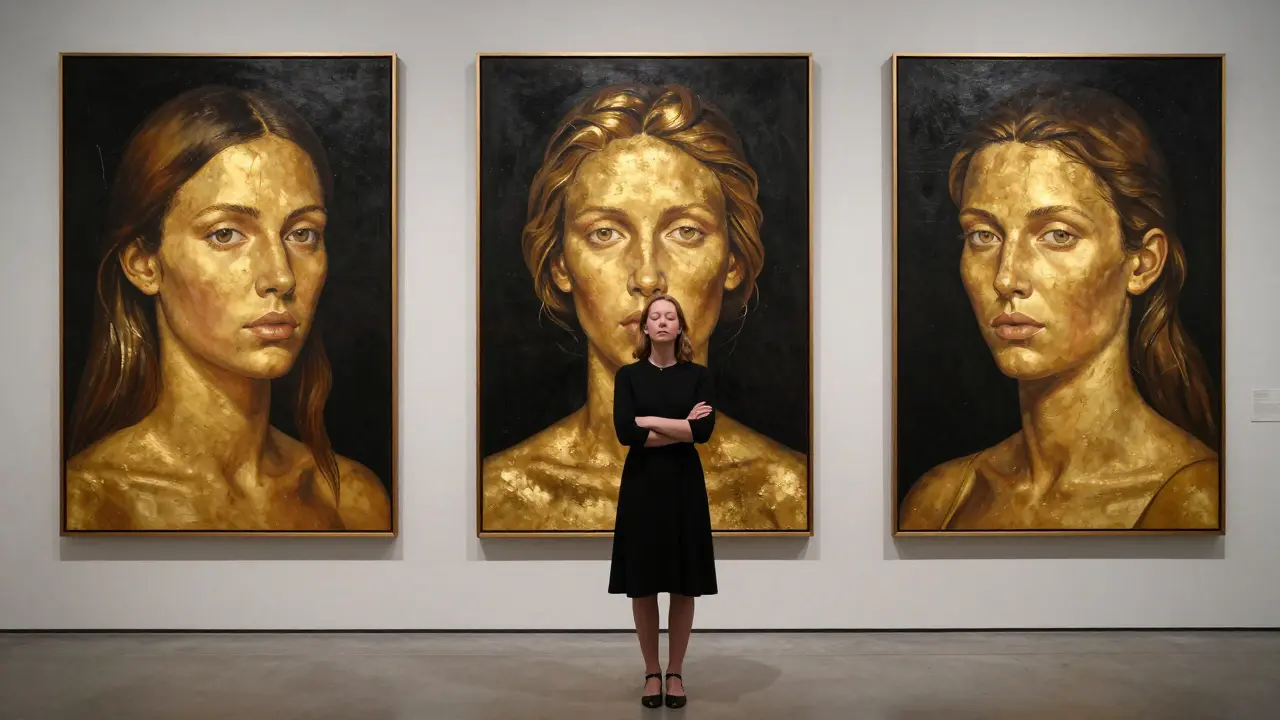
Artist Felix Richter, whose 2023 exhibit “Skin as a Second Gallery” featured portraits of sex workers painted in gold leaf, said in an interview: “I didn’t want to romanticize them. I wanted to show how their labor is invisible because we refuse to see it as art.” His work sold out. Buyers included museum curators, therapists, and former clients.
Another example: the band Wandervogel, whose lead singer, Mira, worked as an escort for five years while recording their debut album. Their lyrics-about touch, silence, and emotional labor-were banned from mainstream radio but became cult hits in underground clubs. One song, “Fifteen Minutes of Your Time,” is now taught in Berlin’s University of the Arts as an example of modern performance poetry.
Why It Works Here
Berlin’s unique culture makes this intersection possible. The city has low cost of living compared to other European capitals. Rent is still affordable enough for artists to live without corporate jobs. There’s a deep-rooted distrust of authority and a strong belief in personal autonomy. People here don’t ask, “What do you do?” They ask, “What are you working on?”
There’s also a practical reason: many escorts here don’t want to be seen as “workers.” They’re not seeking validation from institutions. They’re building their own systems. A network of artists and escorts shares studio space, promotes each other’s shows, and hosts benefit nights where proceeds go to mutual aid funds for trans sex workers or artists without health insurance.
What It Looks Like in Practice
Imagine this: You’re invited to a private dinner in a loft above a print shop. The host, a former ballet dancer turned escort, serves beetroot tartare and reads you a letter she wrote to her estranged father. The conversation shifts to trauma, touch, and the silence between words. Later, she shows you her sketchbook-drawings of clients she’s met, each labeled with a date and a feeling: “Calm. Sad. Grateful.”
No one is paying for sex. No one is being exploited. Everyone is present. And that presence? That’s the art.
The Misconceptions
People often assume this scene is about exploitation or desperation. But the reality is the opposite. Most of these individuals choose this path because it gives them control. They set their own rates. They pick their clients. They decide what boundaries to hold. Many have degrees, savings, and other career options-but they stay because it aligns with their values.
And it’s not just about money. It’s about dignity. A 2023 study from the Berlin Institute for Social Research found that independent sex workers who identified as artists reported higher levels of life satisfaction than those in traditional service jobs. Why? Because they felt seen-not as a service, but as a person.
What’s Next?
Berlin’s art-escort scene is growing. New collectives are forming. A documentary titled “The Quiet Artists” premiered at the Berlin International Film Festival in 2025. A nonprofit called Studio Without Walls now offers free studio space to sex workers who are creatives. And in 2026, the city council is considering a pilot program to fund public art projects led by independent sex workers.
This isn’t about making sex work “respectable.” It’s about recognizing that creativity doesn’t come in one form. Sometimes, it comes in the quiet space between two people who choose to be together-not for money, not for obligation, but because they both needed to feel something real.
Is escorting legal in Berlin?
Yes, prostitution is legal in Germany, including in Berlin. Independent workers don’t need to register, and there are no mandatory health checks. However, brothels and organized operations are heavily regulated. Most artists and creatives who escort do so independently, avoiding formal business structures to maintain autonomy.
Do escort artists in Berlin only work with wealthy clients?
No. While some clients are affluent, many are students, artists, or people seeking emotional connection rather than luxury. Berlin’s escort scene is diverse. Some workers offer sliding-scale rates, barter services for art supplies, or host free community events. The focus is often on mutual exchange, not transactional wealth.
How do escort artists handle stigma?
Many use anonymity or pseudonyms when working in art spaces. Others embrace their identity openly, turning stigma into activism. Collectives like Art & Consent host public talks and art shows to challenge stereotypes. In Berlin, stigma is being actively dismantled through community, visibility, and art-not silence.
Are there any famous art exhibitions featuring escort artists?
Yes. Felix Richter’s “Skin as a Second Gallery” (2023) and the 2025 exhibition “Touch as Medium” at the Hamburger Bahnhof featured works created by or about sex workers. Both were curated by former escorts. These shows aren’t about sensationalism-they’re about redefining what counts as art and who gets to make it.
Can someone be both a full-time artist and an escort?
Absolutely. Many in Berlin do. The flexibility of independent escorting allows them to take time off for residencies, exhibitions, or creative blocks. Some work only 10-15 hours a month, using the income to fund their art projects. Others combine both roles in one experience-like hosting a dinner that doubles as a performance.